The Invisible Life: A Time When Americans Could Move Through the World Without Leaving a Trail
Imagine spending a Saturday running errands. You stop at the hardware store, grab lunch at a diner, browse a bookshop, fill up the car, and head home. A perfectly ordinary day.
Now imagine that not a single one of those actions was recorded anywhere. No camera captured your face. No app logged your location. No loyalty card tracked your purchases. No algorithm noted your browsing pattern and began adjusting what you'd see next week.
That was just called Saturday for most of American history. Today, it's essentially impossible.
Life Before the Data Trail
Pre-digital America wasn't a surveillance-free paradise — the government had files, businesses kept records, and small towns ran on gossip. But the scale and permanence of observation were incomparably smaller. Surveillance required effort, resources, and intent. You had to actively decide to watch someone.
Cash was the default currency, and cash left no trace. You walked into a store, handed over bills, received change, and that transaction existed nowhere except the register tape — which was thrown out at the end of the month. Your shopping habits were your own business, literally.
Public spaces had no cameras. Department stores, street corners, parking lots, subway platforms — you moved through them as an anonymous participant in public life. If someone wanted to know where you'd been on a Tuesday afternoon, they'd have to ask you. And you could simply say you didn't remember.
Phone calls happened on landlines. They could be subpoenaed in serious criminal investigations, but the infrastructure to casually monitor the communications of ordinary citizens didn't exist in any practical form. Letters were sealed. Conversations were private by default.
The Gradual Arrival of the Watching World
The shift didn't happen overnight, and that's part of why so few people noticed it clearly. Each individual change seemed reasonable, even beneficial.
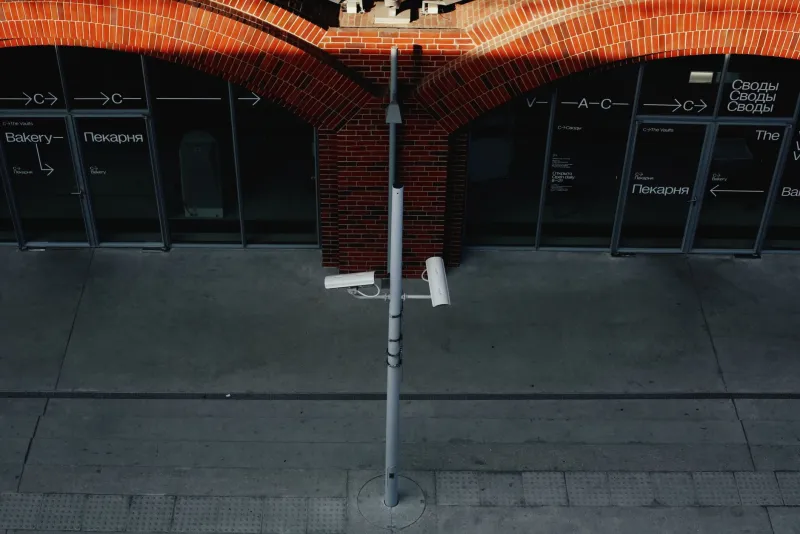
Security cameras started appearing in banks in the 1970s, then in convenience stores after a wave of robberies. By the 1990s they were in shopping malls. After 9/11, public camera networks expanded dramatically in cities. Today, the average American is estimated to be captured on camera dozens of times per day in urban environments — and that number rises constantly as doorbell cameras, business cameras, and traffic systems multiply.
Credit and debit cards replaced cash gradually over the same period, creating detailed financial records as a side effect of convenience. Loyalty programs offered discounts in exchange for purchase data. The deal seemed obvious and fair at the time. What wasn't obvious was how that data would be aggregated, sold, combined with other data sources, and used to build behavioral profiles more detailed than most people would believe.
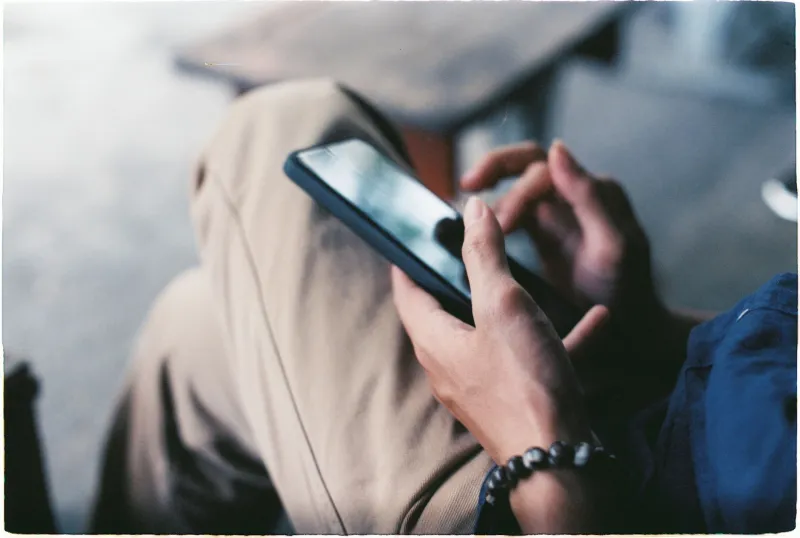
Smartphones completed the transformation. A device that most Americans now carry everywhere, sleep next to, and consult dozens of times a day is also a continuous location tracker, a behavioral monitor, and a data-collection endpoint for hundreds of apps. The permissions most people click through without reading grant access to contacts, microphones, location history, and more.
The Psychological Weight of Being Watched
Researchers who study surveillance and behavior have documented something called the chilling effect — the tendency for people to modify their behavior when they know they're being observed. It was originally studied in the context of free speech and political activity. But it applies to everyday life too.
People browse differently when they know their searches are logged. They think twice before attending certain events, buying certain books, or visiting certain neighborhoods — not because they're doing anything wrong, but because the record exists and records can be misread, taken out of context, or accessed by people they didn't intend.
There's also a subtler effect: a low-level background awareness that modern Americans carry through public spaces. The sense of being legible, traceable, visible. Older Americans who grew up before the camera networks often describe a feeling of ease in public spaces that's hard to articulate — a relaxed anonymity that simply doesn't exist in the same way anymore.
What We Got in Exchange
The surveillance infrastructure that developed over the past few decades has genuinely solved problems. Crimes get solved. Missing people get found. Fraud gets detected. Terrorist plots have been disrupted. There are real, serious arguments for many of the systems that now monitor public and private life.
Targeted advertising, for all its creepiness, funds enormous amounts of free content and services. The convenience of remembered preferences, one-click purchases, and personalized recommendations is something most people have quietly decided they prefer, even if they feel vaguely uncomfortable about the mechanism behind it.
The debate isn't really about whether surveillance technology is good or bad in absolute terms. It's about consent, transparency, and power — specifically, who controls the data, what they can do with it, and whether ordinary citizens have any meaningful ability to opt out.
The Thing That's Already Gone
What can't be recovered, regardless of how privacy laws evolve, is the default. For most of American history, privacy wasn't something you had to actively protect — it was simply the natural state of moving through the world. Anonymity was the baseline, not the exception.
That baseline is gone. Today, privacy is something you have to pursue deliberately, with effort and technical knowledge, against systems designed to make it inconvenient. The average person doesn't bother, and the systems know it.
The invisible life — the Saturday where nobody was watching — wasn't something Americans valued because they thought about it. They never had to think about it. It was just the air. And like a lot of things you don't notice until they're gone, most people only started thinking about it once it was already too late to get it back.