The Full-Time Job Nobody Paid For: The Crushing Daily Labor of Running an American Home Before Modern Appliances
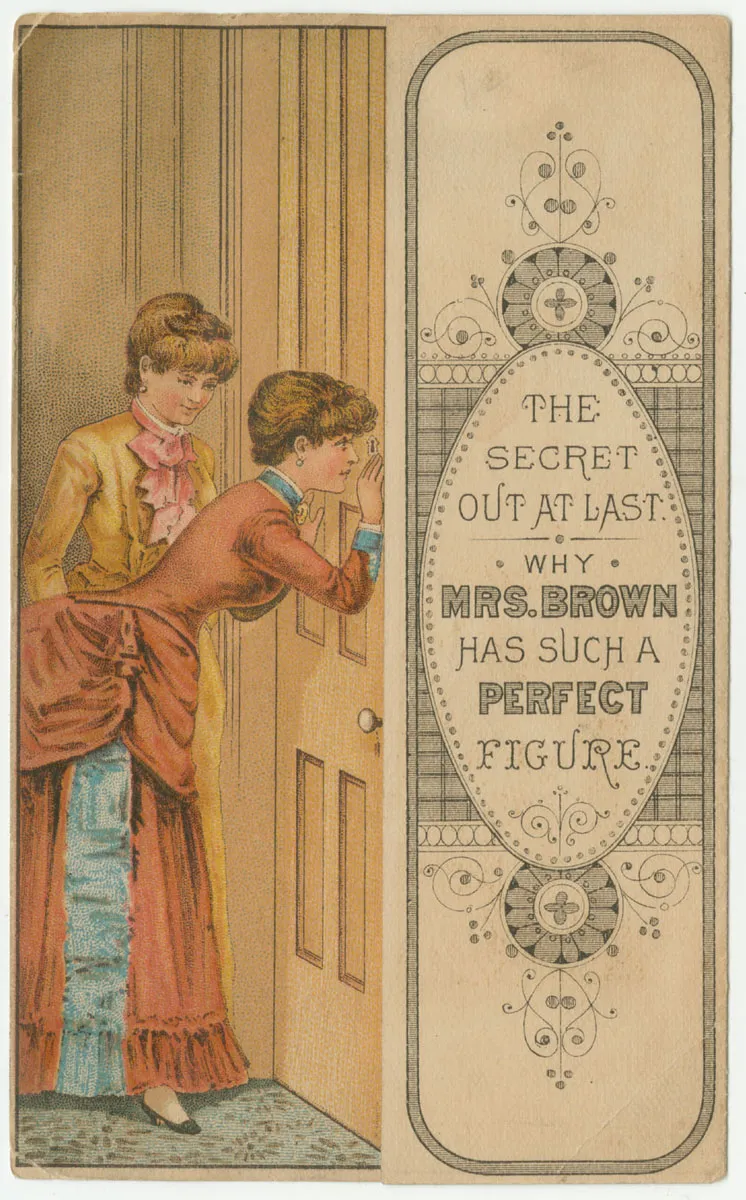
Photo: Library Company of Philadelphia, No restrictions, via Wikimedia Commons
If you want to understand how completely modern technology has transformed daily life, don't look at smartphones or streaming services. Look at the kitchen. Look at the laundry room. Look at the fireplace that used to be the only source of heat in a house where everything — absolutely everything — had to be done by hand.
The average American homemaker in the mid-1800s worked somewhere between 60 and 80 hours a week just to keep her household functional. Not comfortable. Not organized. Just functional. And almost none of that labor was visible, celebrated, or compensated.
A Day That Started Before Sunrise
On a typical morning in a mid-nineteenth-century American farmhouse or working-class home, the day began in darkness. Before anyone else woke up, the fire had to be started. This wasn't flipping a thermostat — it meant hauling wood, cleaning out ash from the previous day, and coaxing a flame to life in a cast-iron stove that would need constant tending throughout the day. If the fire went out, you lost your heat, your cooking capability, and in winter, potentially your family's safety.
Water was next. There was no faucet to turn on. Water came from a well, a pump, or a nearby stream, and it had to be carried inside in buckets. A family of five could easily require 40 to 50 gallons of water per day for cooking, cleaning, drinking, and bathing. That's roughly 400 pounds of water — hauled, one bucket at a time, before breakfast.
Breakfast itself was not a bowl of cereal. It meant grinding grain, baking bread, tending the fire, and cooking over an open flame with no temperature controls and no timers. The physical act of cooking on a wood-burning stove required constant attention and generated enormous heat, even in summer.
Laundry: The Week's Worst Day
Monday was traditionally laundry day in American households, and the dread it inspired was entirely rational. Washing clothes without a machine was a full-day — sometimes two-day — physical ordeal.
First, large quantities of water had to be hauled and heated over the fire. Clothes were soaked, scrubbed against a washboard, wrung out by hand, rinsed, wrung again, and then hung to dry. Heavily soiled items might require boiling in a large pot. Lye soap, which was often made at home from wood ash and animal fat, was harsh enough to damage skin with prolonged exposure.
A household with children might generate fifteen to twenty pounds of laundry per week. Wringing that much wet fabric by hand caused chronic hand, wrist, and shoulder injuries. Historians estimate that a single laundry day burned as many calories as running a half-marathon — and it happened every single week, rain or shine, sick or well.
Ironing followed on Tuesday. Flat irons were heated on the stove, tested against the wrist to gauge temperature, and pressed across fabric until they cooled — then reheated and repeated. A full ironing session could last four to six hours.
Food Preservation: A Six-Month Project
Modern Americans interact with food preservation exactly once: when they close the refrigerator door. In the nineteenth century, it was a seasonal industrial operation.
With no refrigeration, food had to be preserved through smoking, salting, pickling, drying, or canning — all of which were time-intensive processes requiring precise knowledge and significant physical effort. Canning season in late summer and fall could mean twelve-hour days processing hundreds of jars of vegetables, fruit, and meat. A family needed to put up enough food to last through winter, and the stakes were genuinely high: miscalculate or cut corners, and you were looking at spoiled stores, food poisoning, or genuine hunger by February.
Beyond preservation, daily food preparation in an era before processed food meant making almost everything from scratch. Bread was baked multiple times a week. Butter was churned. Lard was rendered. Cheese was made. Soap was produced at home. Candles were dipped. Clothing was sewn, mended, and sometimes woven from raw fiber.
What Technology Actually Changed
The arrival of modern appliances didn't happen all at once. Running water reached most American urban homes by the early 1900s, but rural electrification lagged decades behind. The electric washing machine became widely available in the 1920s, the refrigerator in the 1930s, and central heating gradually replaced wood and coal stoves through the mid-twentieth century.
Each technology eliminated not just a task, but hours of physical labor per week. Studies conducted in the mid-twentieth century found that the introduction of running water alone reduced a homemaker's weekly workload by more than ten hours. The washing machine cut laundry time from a full day to roughly an hour. Refrigeration eliminated most food preservation labor entirely.
By the 1960s, the average American homemaker spent roughly 30 hours per week on household tasks — still substantial, but roughly half the burden her grandmother had carried. Today, with dishwashers, microwaves, grocery delivery, and robotic vacuums, that number is closer to 15 to 18 hours for a household with children.
The Labor We Forgot to Count
Here's what makes this history genuinely striking: almost none of this work was ever counted, measured, or economically valued. The labor that kept American families alive and functional — hauling water, preserving food, tending fires, making clothes — existed entirely outside the formal economy. It was invisible by design.
Modern economists who have attempted to calculate the replacement cost of nineteenth-century domestic labor consistently arrive at figures that dwarf most professional salaries of the era. The work was real, it was essential, and it was physically punishing. It just wasn't called work.
The next time your dishwasher beeps to tell you it's done, consider what that single machine replaced: roughly four hours of daily labor that someone, somewhere, performed without complaint for most of human history. That's not a small thing. That's an entire transformation of what it means to live.