America's Bathroom Revolution: From Midnight Sprints to Morning Spa Rituals
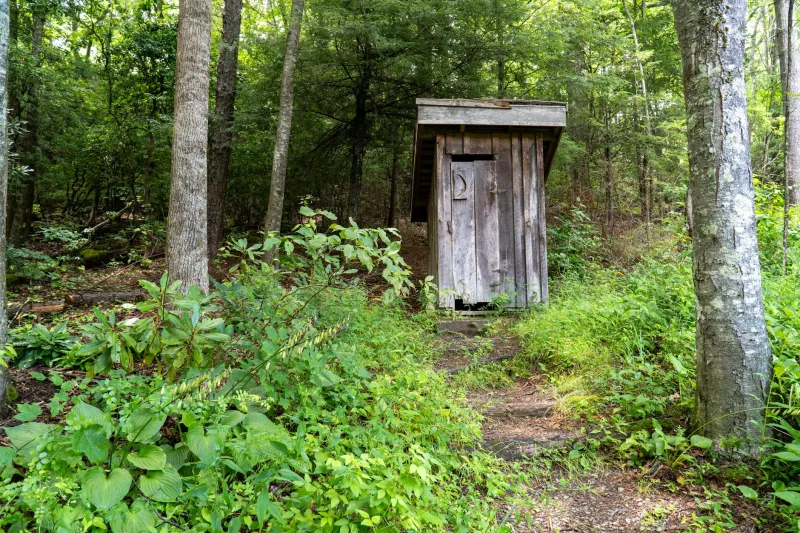
Picture this: It's January 1905 in rural Nebraska. You wake up at 2 AM with nature calling, and your only option is bundling up in a coat, grabbing a lantern, and trudging through knee-deep snow to a drafty wooden outhouse 50 yards from your back door. The temperature inside? Whatever it happens to be outside, minus the wind chill.
Now fast-forward to today. You wake up, pad barefoot to your ensuite bathroom, and settle onto a heated toilet seat that automatically raises its lid when you approach. The room is perfectly climate-controlled, softly lit with motion sensors, and stocked with more hygiene products than a 1900s general store carried for an entire town.
When Privacy Was a Luxury Nobody Could Afford
For most of American history, the idea of a private bathroom was as foreign as flying cars. The typical American family in 1880 shared a single outhouse with potentially dozens of neighbors in urban areas, or made do with chamber pots that someone—usually the women of the house—had to empty and clean daily.
Indoor plumbing wasn't just rare; it was virtually nonexistent outside of wealthy urban households. As late as 1940, nearly half of American homes still lacked complete indoor plumbing. Rural families often didn't get running water until the 1950s, meaning millions of Americans lived their entire lives without ever experiencing the simple luxury of turning a handle and having clean water appear.
The outhouse itself was an engineering marvel of discomfort. Families shared these structures regardless of age or gender, with absolutely no concept of the privacy we consider essential today. The Sears Roebuck catalog served double duty as both shopping guide and toilet paper—a practice so common that Sears eventually started pre-punching holes in their catalogs for easier hanging.
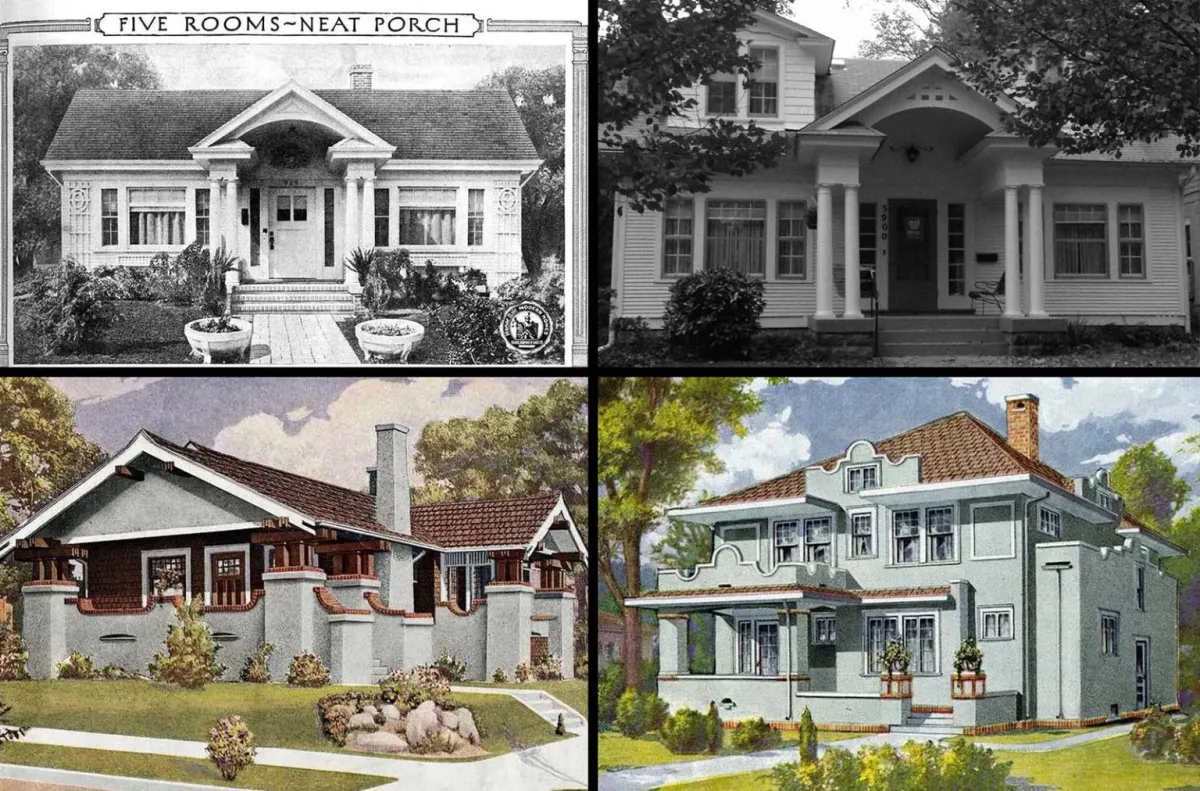 Photo: Sears Roebuck, via rarehistoricalphotos.com
The Great Indoor Migration
The transformation began in earnest during the 1920s, when indoor bathrooms started appearing in middle-class homes. But even these early bathrooms would seem primitive by today's standards. They typically featured a basic toilet, a small sink, and a clawfoot tub—all crammed into the smallest possible space to minimize the cost of plumbing.
Hot water was often a weekend luxury, heated laboriously on the kitchen stove and carried bucket by bucket to fill the tub. Most families bathed once a week, with the entire household sharing the same bathwater in order of seniority. Children went last, giving rise to the phrase "don't throw the baby out with the bathwater."
Daily hygiene routines that we consider basic—brushing teeth, washing faces, using deodorant—were either unknown or reserved for special occasions. The average American in 1920 owned perhaps three changes of clothing and bathed monthly at best.
The Birth of the Bathroom Sanctuary
The post-World War II suburban boom revolutionized American bathrooms almost overnight. Returning veterans, flush with GI Bill benefits and steady employment, demanded the comfort and privacy they'd been denied during the Depression and war years.
Suddenly, bathrooms became selling points for new homes. Builders started including multiple bathrooms, with the master bathroom emerging as a symbol of middle-class success. Colorful fixtures—pink toilets, mint green sinks, and yellow bathtubs—turned functional spaces into style statements.
By the 1960s, the average American bathroom included amenities that would have seemed impossibly luxurious to previous generations: endless hot water, multiple towels per person, medicine cabinets stocked with specialized products, and the revolutionary concept of daily showering.
Today's Digital Throne Rooms
Modern American bathrooms have evolved into something approaching science fiction. High-end models feature toilets with heated seats, automatic flushing, built-in bidets, and even health monitoring capabilities that can analyze your waste for early disease detection.
Smart mirrors display the weather, news, and your daily schedule while you brush your teeth with an electric toothbrush that connects to your smartphone. Showers respond to voice commands, maintaining your preferred temperature and water pressure settings. Some bathrooms even include speakers, charging stations, and small televisions.
The average American now spends roughly 30 minutes daily in the bathroom—not from necessity, but because it's become a retreat from the outside world. We've transformed a space our great-grandparents dreaded visiting into a private spa where we start and end each day.
The Real Revolution: Changing Expectations
Perhaps the most dramatic change isn't technological but cultural. We've gone from viewing bathroom activities as unavoidable bodily functions to treating them as essential self-care rituals. The explosion of bathroom-related products—from luxury soaps to elaborate skincare routines—reflects how completely our relationship with hygiene has transformed.
Today's teenagers would find the idea of sharing an outhouse with neighbors as unthinkable as living without their smartphones. What once required courage, planning, and often genuine physical discomfort has become so effortless we barely think about it.
The next time you flip a switch for instant hot water or settle onto your comfortable, private toilet seat, remember: you're experiencing a level of daily luxury that 99% of all humans throughout history could never have imagined. Sometimes the most profound revolutions happen in the most ordinary places.