Sleep Didn't Used to Be This Hard: What We Lost When We Lit Up the Night
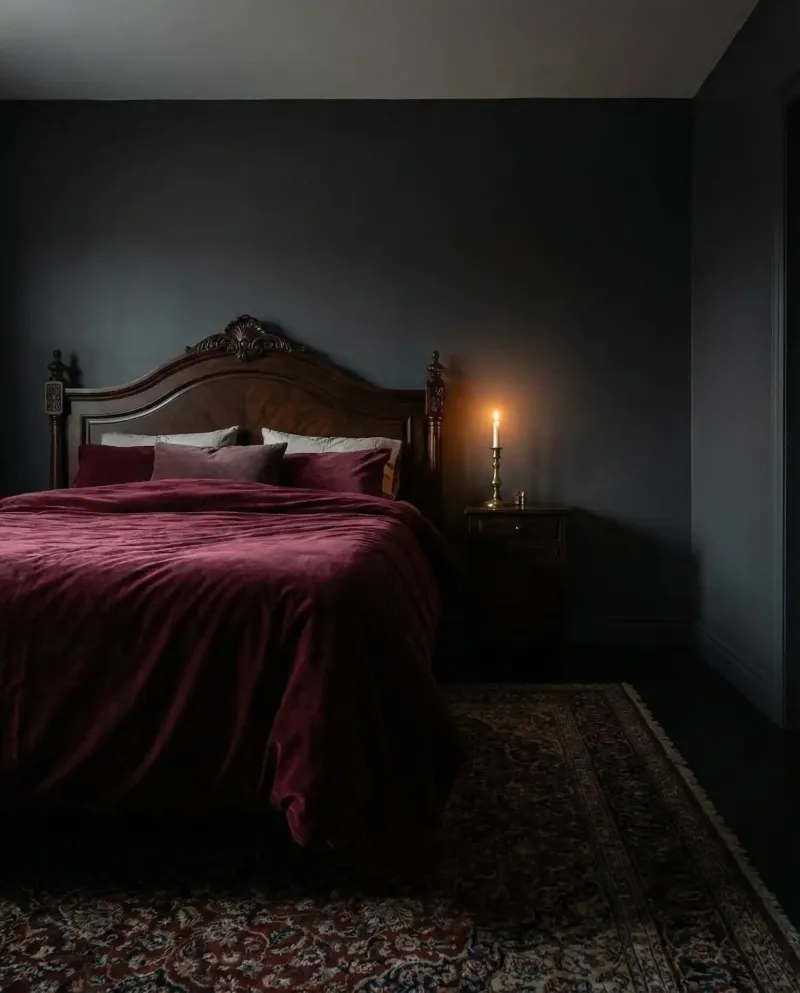
Photo: dark quiet bedroom candlelight vintage, via inspirecaptions.com
Here's an uncomfortable thought: the average American today spends more money trying to sleep than the average American in 1890 spent on sleep-related products in a lifetime — which was essentially zero. We have sleep apps, smart mattresses, weighted blankets, melatonin gummies, blue-light glasses, and a $100 billion industry devoted entirely to helping us do the thing every mammal on Earth does for free.
So what happened? Did humans suddenly forget how to sleep? Not exactly. But we did spend 150 years systematically dismantling the conditions that made sleep easy — and now we're paying premium prices to rebuild them one gadget at a time.
The World Before the Light Switch
Consider what evening looked like in 1880. The sun went down, and for most households, the options narrowed to candlelight or a kerosene lamp — dim, smoky, and expensive to run. There was no evening commute home at 9 p.m. under fluorescent lights. There was no glowing rectangle on the nightstand. When darkness fell, the body's melatonin production kicked in on schedule, exactly as evolution intended.
Historians studying pre-industrial sleep diaries have found evidence that many people slept in two shifts — a first sleep after dusk, a quiet waking period in the middle of the night sometimes used for prayer, reading, or conversation, then a second sleep until dawn. Whether or not every household followed this pattern, the broader point holds: sleep wasn't something people had to try to do. Darkness did the work.
Bedrooms, too, were built for the job. They were dark, cool, and dedicated to sleep — not home offices, gyms, and streaming theaters all rolled into one. The bed was for sleeping. The bedroom was for the bed. Radical concept, apparently.
Then We Invented the Midnight
Electric light changed everything, and I mean everything. Once night became optional, work, entertainment, and social life all expanded into it. The eight-hour sleep window started getting squeezed from both ends. Television moved bedtime later. The smartphone moved it later still — and added a beam of blue light directly into the eyeballs of anyone lying in the dark, which is precisely the signal the brain uses to stay awake.
We also changed our days in ways that sabotage our nights. We sit indoors under artificial light, getting far less natural daylight exposure than our ancestors did, which throws off circadian rhythm. We drink coffee at 4 p.m. We eat dinner at 9. We scroll in bed, telling ourselves it's winding down while our brains process an unending feed of information and outrage.
Now We're Buying It Back
Here's the part I find genuinely funny, in a dark way: look at what the sleep industry actually sells, and you'll find it's mostly artificial replacements for the natural world we deleted.
Blackout curtains? That's darkness. Sunrise alarm clocks? That's the sun. White noise machines? That's the quiet of a world without traffic and notifications. Melatonin supplements? A synthetic version of the hormone your brain would produce on schedule if you'd stop shining light in your eyes at 11 p.m. We are, quite literally, paying money to simulate 1890.
None of this is to shame anyone for using these tools — some of them genuinely help, and modern sleep medicine has done real good for people with serious disorders. But there's something backwards about a society that treats sleep as a lifestyle accessory to optimize rather than a biological baseline to protect.
The Uncomfortable Fix
The honest answer to most sleep problems isn't a $1,300 mattress. It's the boring stuff: consistent bedtimes, dim light after dark, no phone in bed, real daylight in the morning, and treating the bedroom like a bedroom. Our ancestors didn't have better discipline or stronger constitutions. They just lived in a world that stopped fighting them.
We built a world that fights sleep at every turn. If we want rest back, we don't need to buy it. We need to stop selling it away.