Love's Price Tag: When Finding a Husband Required a Dowry and a Chaperone
Picture this: you're a 20-year-old woman in 1920s America, and you've caught the eye of a potential suitor. But before any romance can bloom, your father needs to approve his financial prospects, your mother must inspect his family lineage, and both families will negotiate what you're worth in cold, hard cash. Welcome to American courtship before love conquered all.
When Parents Played Matchmaker
For most of American history, marriage wasn't about butterflies in your stomach or finding your "soulmate." It was a business transaction disguised as romance. Young women came with dowries — money, property, or goods their families provided to make them attractive to potential husbands. Think of it as the ultimate parental investment portfolio, except the dividend was getting their daughter married off.
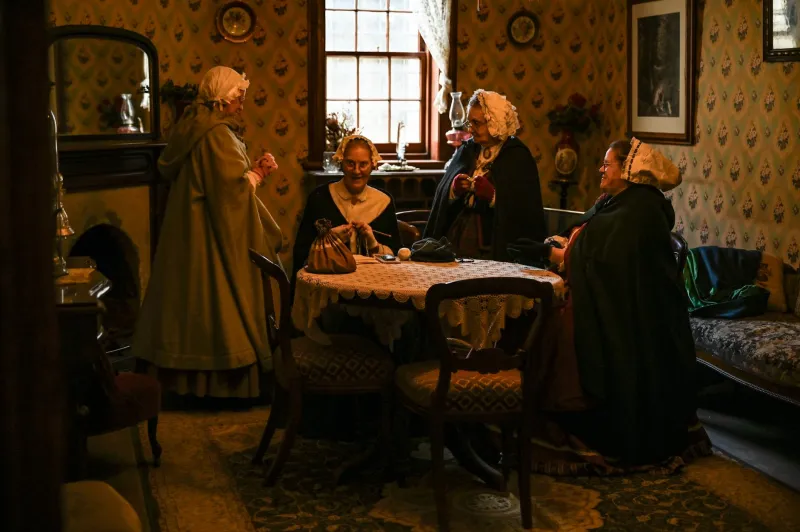
The process was painfully formal. A gentleman couldn't simply ask a woman out for coffee. First, he had to be properly introduced through mutual acquaintances. Then came the calling cards — elaborate pieces of cardstock that announced his intentions to court. If the family approved, he might be invited to "call" during designated hours, usually Sunday afternoons, where conversation happened under the watchful eye of a chaperone.
The Chaperone Economy
Chaperones weren't just nosy relatives looking for entertainment. They were professional relationship supervisors whose job was preventing any unsupervised romantic moments that might lead to scandal. A young couple couldn't take a walk without a third wheel trailing behind them. Even conversations had rules — certain topics were off-limits, physical contact was forbidden, and every interaction was scrutinized for propriety.
This system created an entire economy around courtship. Families hired chaperones, rented parlors for receiving suitors, and invested in elaborate wardrobes to showcase their daughters during the social season. The pressure was intense: mess up the courtship process, and a woman might remain unmarried forever, becoming the dreaded "spinster" who'd burden her family financially.
The Marriage Market
By the 1800s, American newspapers literally published marriage announcements that read like real estate listings. "Miss Sarah Thompson, 19, accomplished pianist, with a dowry of $500 and fine needlework skills, seeks gentleman of good standing." Marriage was so transactional that families kept detailed records of potential matches, complete with financial assessments and character references.
Age mattered too, but not how you'd expect. The average marriage age for women was around 22-24, which seems reasonable until you realize that life expectancy was much shorter. Waiting too long meant fewer childbearing years and reduced "market value." Men, meanwhile, were expected to establish their careers first, often marrying in their late twenties after proving they could provide financially.
The Dating Revolution
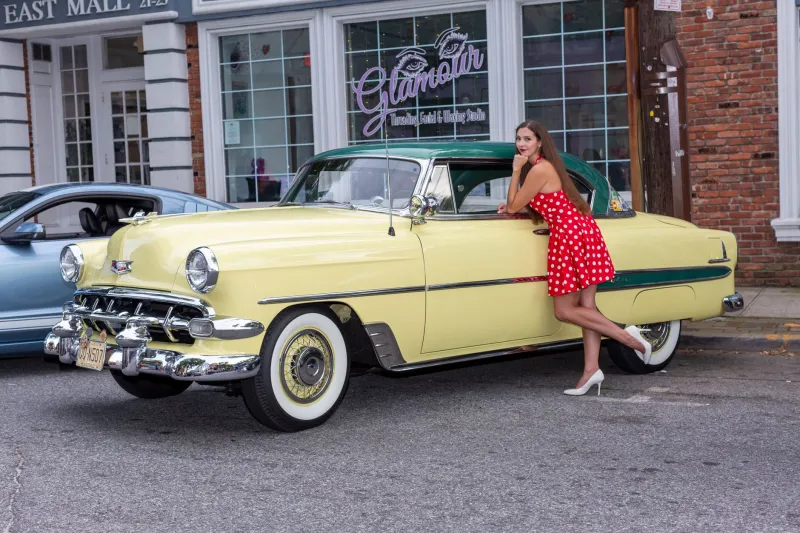
Everything changed in the 1920s when young Americans decided they'd had enough of their parents' matchmaking services. The rise of automobiles gave couples privacy for the first time in American history. Suddenly, a young man could pick up his date and drive somewhere without a chaperone squeezed into the backseat.
Movies, dance halls, and restaurants created new spaces for romantic encounters that weren't controlled by families. "Going steady" replaced formal courtship, and the idea of dating multiple people before choosing a spouse became socially acceptable. Parents watched in horror as their carefully constructed marriage market collapsed.
Modern Love's Wild West
Fast-forward to today, and the transformation is staggering. The average American woman now marries at 28, while men wait until 30. Dating apps have replaced calling cards, allowing people to browse potential partners like items in an online catalog. Instead of parental approval, we rely on algorithm compatibility and mutual friends' Facebook connections.
The financial aspect hasn't disappeared entirely — it's just flipped. Instead of dowries, modern couples navigate dual careers, student loan debt, and the question of who pays for dinner. Dating has become a personal journey of self-discovery rather than a family business transaction.
We've gone from a world where your great-grandmother needed her father's permission to speak with a man to one where you can swipe through hundreds of potential dates while sitting in your pajamas. The average person today goes on dates with more people in a year than their ancestors might have met in their entire courtship period.
The Price of Choice
This transformation reveals something profound about how American society has evolved. We've traded the security of arranged matches for the anxiety of endless choice. Our ancestors might have had limited options, but they also had clear rules and family support throughout the process.
Today's dating culture offers unprecedented freedom to choose partners based on compatibility, shared interests, and genuine attraction rather than financial necessity. But it also places the entire burden of finding love on individuals navigating an increasingly complex romantic landscape without a roadmap.
The next time you complain about modern dating, remember that your great-great-grandmother had to wait for a man to present his calling card to her father just to have a supervised conversation. We've come a long way from dowries and chaperones — even if finding love still feels impossibly complicated sometimes.