Evolved Daily Home

Category

Culture

34 articles


We Used to Sit With Death for Days. Now We Schedule It Between Meetings.

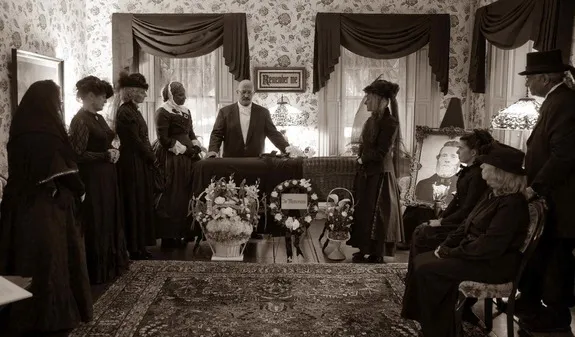
We Used to Sit With Death for Days. Now We Schedule It Between Meetings.

A century ago, death came home — literally. The body stayed in the parlor, neighbors came for days, and grief had a structure that held people together. Today, we're back at our desks in a week and calling it resilience. Something got lost in that transition, and we're only starting to understand what.

Smile and Wait Three Weeks: What Photography Looked Like Before Your Phone Did It Instantly

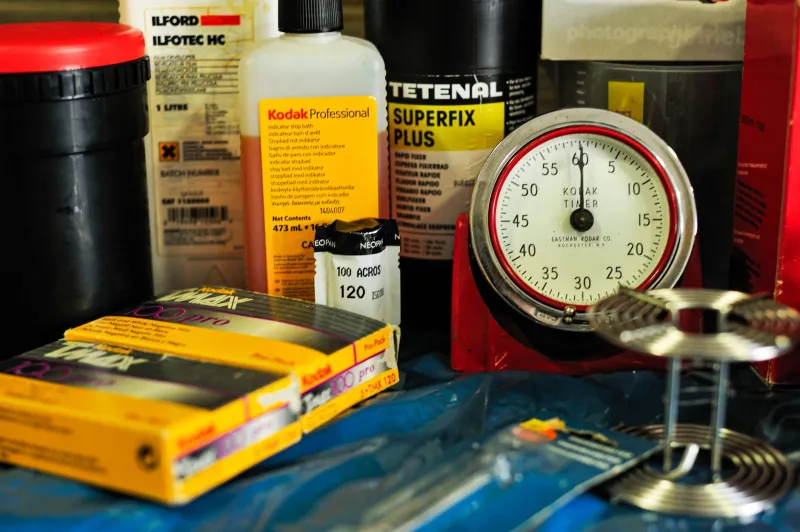
Smile and Wait Three Weeks: What Photography Looked Like Before Your Phone Did It Instantly

Getting a photograph taken used to be a deliberate, expensive, and nerve-wracking experience — you had no idea if the shot worked until the film came back from the developer days or weeks later. The journey from formal portrait studios and rationed film rolls to unlimited digital snapshots didn't just change photography. It changed how Americans think about memory itself.

The Whole Block Came Over to Watch: When Television Was a Community Experience

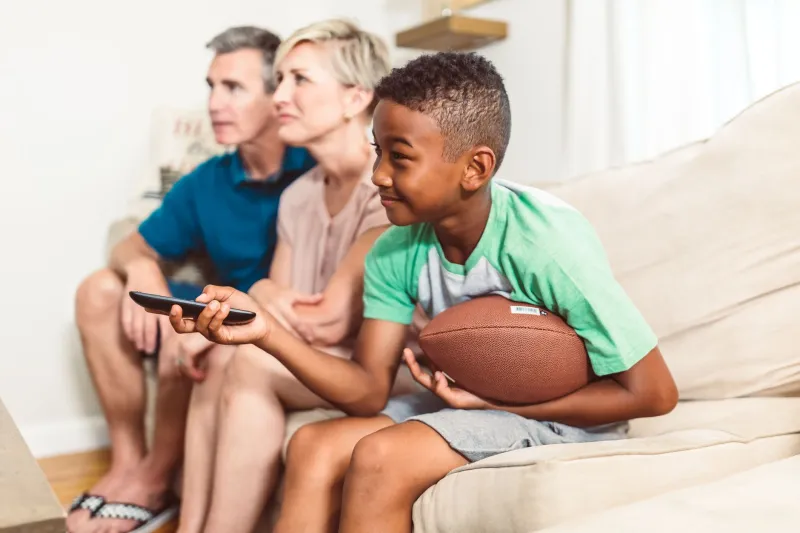
The Whole Block Came Over to Watch: When Television Was a Community Experience

When television first appeared in American neighborhoods in the late 1940s, families without sets would crowd into neighbors' living rooms or press their faces against store-front windows to catch a glimpse of the flickering screen. What followed was one of the most dramatic shifts in how Americans spend time together — a device that promised to connect people quietly, gradually, pulled them apart.

Dressed to Leave the House: The Slow Death of America's Public Dress Code

Dressed to Leave the House: The Slow Death of America's Public Dress Code

There was a time when Americans put on their best clothes just to run errands — not because they were vain, but because showing up in anything less was genuinely shameful. Somewhere between the girdle and the athleisure set, an entire social contract dissolved. Here's what actually happened, and what we quietly gave up along the way.

My Word Is My Bond: The America That Ran on Reputation Instead of Paperwork

My Word Is My Bond: The America That Ran on Reputation Instead of Paperwork

Before the terms-and-conditions era, American commerce ran on something far simpler and far more fragile: trust. A handshake closed land deals, sealed employment agreements, and launched businesses — and breaking your word carried consequences that no lawsuit could fully replicate. The shift from honor to documentation changed not just how Americans do business, but who they are to each other.

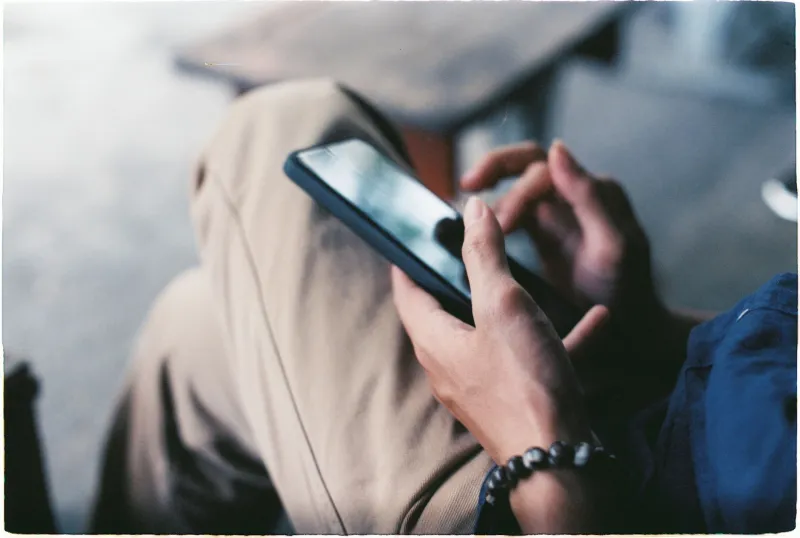
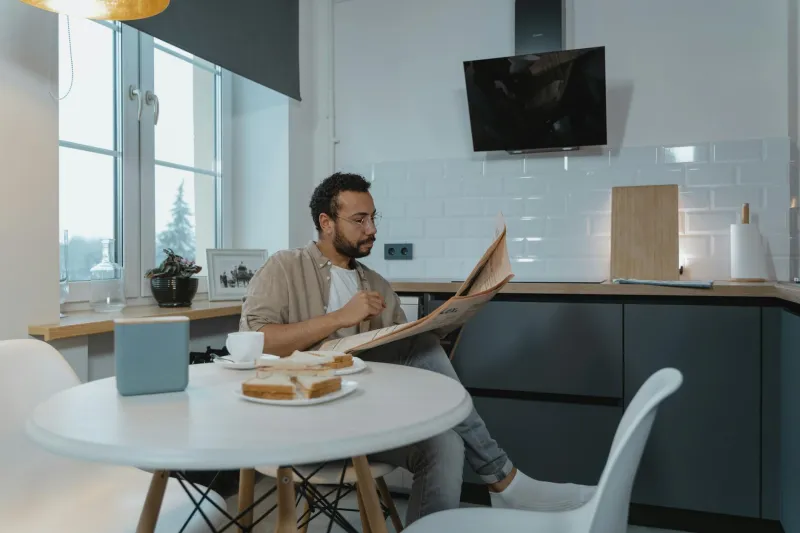
Dinner Used to Be a Full-Time Job — Now It's a Few Taps on Your Phone

Dinner Used to Be a Full-Time Job — Now It's a Few Taps on Your Phone

A century ago, feeding a family required days of planning, physical labor, and an intimate knowledge of what was in season. Today, a hot meal can arrive at your door before you've finished deciding what you want. The distance between those two realities is almost impossible to comprehend.

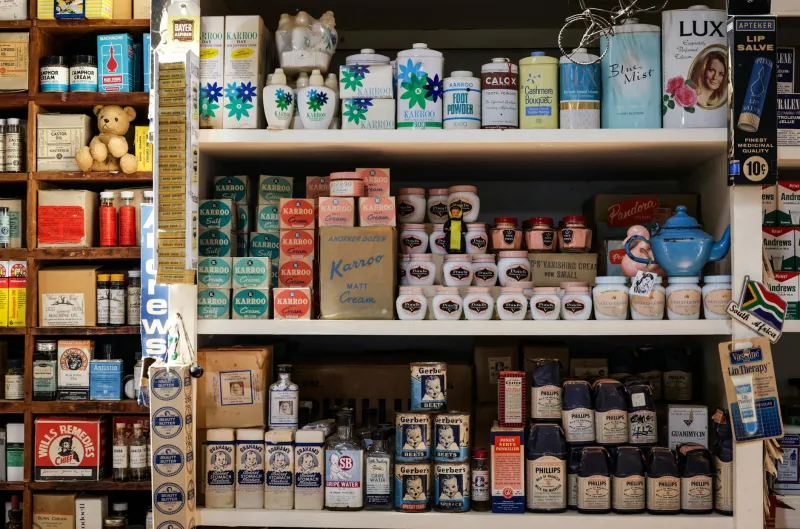
The Death of Main Street: How America Lost Its Shopkeepers and Found Amazon

The Death of Main Street: How America Lost Its Shopkeepers and Found Amazon

America once ran on relationships—where your local shopkeeper knew your family's preferences, extended credit during tough times, and served as the neighborhood's unofficial information hub. That personal touch has been replaced by algorithms that predict your needs before you know them yourself.

Hold Please: When Making a Phone Call Was a Social Event That Required an Appointment

Hold Please: When Making a Phone Call Was a Social Event That Required an Appointment

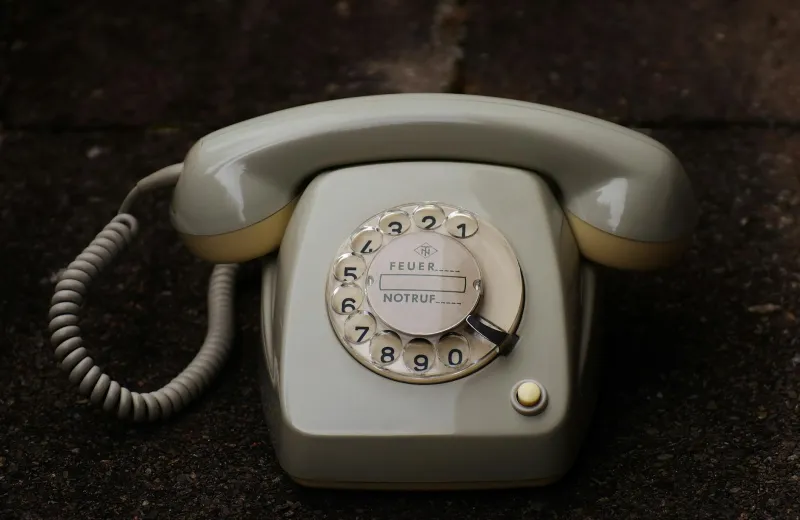
Before smartphones and instant connection, placing a simple phone call meant navigating human operators, shared party lines, and neighbors who treated your conversations like evening entertainment. The transformation from this laborious process to today's instant global communication represents one of the most dramatic cultural shifts in American history.

The Family Deathbed: When Americans Said Goodbye in Their Own Living Rooms

The Family Deathbed: When Americans Said Goodbye in Their Own Living Rooms

A century ago, death was a family affair that happened at home, with relatives washing the body and neighbors building coffins. Today's sterile hospital goodbyes would have seemed unthinkably cold to our great-grandparents. Here's how America completely transformed its relationship with death.

When Sunset Meant Game Over: The Forgotten Reality of American Life Before Electric Power

When Sunset Meant Game Over: The Forgotten Reality of American Life Before Electric Power

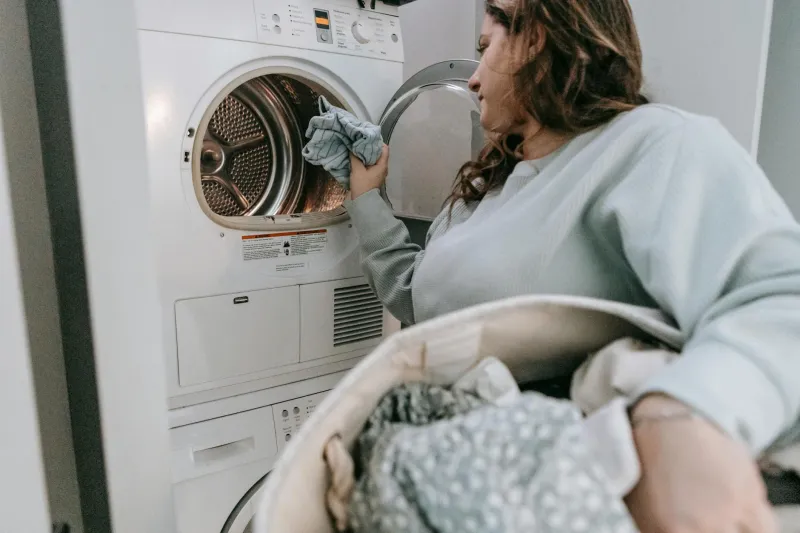
Before the 1930s, most American families lived by the rhythm of the sun, hauling water by hand and washing clothes with muscle power alone. The transformation that electricity brought to daily life happened so recently that your great-grandparents likely remember it — yet the change was so complete that modern Americans can barely imagine life without flipping a switch.

The Daily Food Grind: How American Families Fed Themselves Before the Supermarket Existed

The Daily Food Grind: How American Families Fed Themselves Before the Supermarket Existed

Before the supermarket became the center of American food life, feeding a family meant daily trips to multiple stores, managing a leaking icebox, and depending on a rotating cast of delivery men at your door. It was time-consuming, labor-intensive, and nothing like the one-stop shopping we barely think about today. The story of how that changed is more fascinating than you might expect.