Whatever the Cook Made: When American Restaurants Had No Menus and Even Less Choice
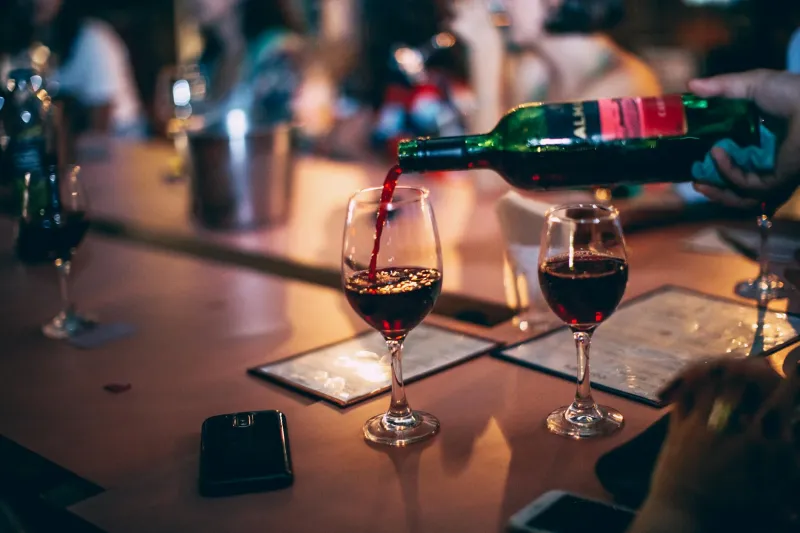
Walk into any American restaurant today, and you'll face an overwhelming array of choices. Appetizers, entrees, desserts, dietary modifications, and drink options that span multiple pages. Now imagine walking into a restaurant where the server simply asks, "You want food?" and brings you whatever the cook made that morning. Welcome to dining out in early America, where restaurants were more like cafeterias run by strangers with questionable hygiene standards.
The Tavern Days: Eat It or Leave It
In the 1800s, most American "restaurants" were actually taverns that served food as a side business to selling alcohol. The concept of choice didn't exist. You paid your money, sat at a communal table, and ate whatever the proprietor's wife had cooked that day. If you didn't like salt pork and beans, you could go hungry.
These establishments operated on a boarding house model. Everyone ate the same meal at the same time, served family-style from large platters. The menu was whatever ingredients the cook could afford at the local market that morning. Beef on Mondays, chicken on Tuesdays, fish on Fridays — if you were lucky enough to live somewhere with that level of consistency.
The Great Unwashed Masses
Hygiene standards in early American eateries would horrify modern health inspectors. Communal dining meant sharing plates, cups, and utensils with complete strangers. The same fork might serve a dozen customers before seeing anything resembling a wash. Tablecloths, if they existed, were changed weekly at best.
Kitchens were often just the back room of a tavern, with no separation between food preparation and general living space. Cats wandered freely to control rodent populations, and flies were considered a natural part of the dining experience. The cook's personal hygiene was entirely at their discretion, and that discretion was frequently poor.
Railroad Food and Lunch Counters
The expansion of railroads in the mid-1800s created America's first standardized dining experiences — and they were universally terrible. Railroad dining cars served pre-prepared meals that had been sitting for hours or days. The phrase "railroad food" became synonymous with inedible cuisine that passengers endured out of necessity rather than choice.
Urban lunch counters emerged to serve factory workers who needed quick, cheap meals. These establishments pioneered the "blue plate special" — a single, fixed meal offered daily at a low price. Workers lined up, ate quickly, and left. The entire experience was designed for efficiency, not enjoyment.
The Elite Exception
Wealthy Americans had access to hotel restaurants that offered something resembling modern dining experiences, but even these were limited by seasonal availability and preservation challenges. A fancy hotel might offer three or four choices, all dependent on what ingredients were fresh that week.
These upscale establishments imported European-trained chefs who brought continental cooking techniques to American ingredients. But even the finest restaurants couldn't overcome basic logistical challenges like refrigeration and transportation that limited ingredient variety.
The Automat Revolution
The early 1900s brought the automat — a revolutionary concept where pre-prepared foods were displayed behind small glass doors that opened when customers inserted coins. This was considered the height of modern convenience and hygiene, since customers could see their food before purchasing and didn't need to interact with potentially unsanitary servers.
Automats standardized portions and presentation in ways that had never existed before. Customers could choose from 30-40 different items, though those items remained the same day after day, month after month. Variety meant choosing between different preparations of the same basic ingredients.
Fast Food's Humble Origins
What we now call "fast food" began as working-class necessity rather than convenience choice. Early hamburger stands like White Castle, founded in 1921, offered tiny, standardized burgers that cost a nickel each. The appeal wasn't flavor or quality — it was speed, consistency, and affordability for workers who had 30 minutes to grab lunch.
 Photo: White Castle, via i.pinimg.com
These establishments succeeded by eliminating choice entirely. White Castle served hamburgers, period. No customization, no special orders, no substitutions. You wanted a hamburger, you got exactly the same hamburger as every other customer, prepared exactly the same way every time.
The Diner Democracy
Post-World War II diners represented the first truly democratic American dining experience. These establishments offered extensive menus, all-day breakfast, and the radical concept that customers deserved choice regardless of their economic status. A factory worker could order the same variety of foods as a businessman, served by the same waitress at the same counter.
Diners pioneered many concepts we take for granted today: printed menus with multiple options, customizable orders, and the idea that the customer's preferences mattered. They also introduced the revolutionary concept of staying open 24 hours, serving anyone who walked through the door at any time of day or night.
The Chain Reaction
The 1950s explosion of restaurant chains like McDonald's, Kentucky Fried Chicken, and Howard Johnson's created the first truly national dining experiences. For the first time in American history, you could order the same meal in Maine or California and receive virtually identical food.
 Photo: Kentucky Fried Chicken, via static.wixstatic.com
This standardization came at the cost of local character but provided something early American diners could never have imagined: predictable quality and consistent choice. A McDonald's hamburger in 1955 might not have been gourmet, but it was reliably safe, clean, and exactly what you expected.
The Foodie Revolution
Today's American dining landscape would be incomprehensible to someone from 1900. We have restaurants specializing in cuisine from every corner of the world, molecular gastronomy establishments that turn eating into performance art, and food trucks that serve gourmet meals from mobile kitchens.
Modern Americans don't just choose what to eat — we choose the entire experience. We research restaurants online, read reviews from strangers, make reservations weeks in advance, and expect servers to accommodate dietary restrictions that would have been considered insanity a century ago.
The Price of Choice
This transformation reflects broader changes in American society: increased wealth, global connectivity, and the elevation of personal preference over communal necessity. We've gone from a world where eating out meant accepting whatever was available to one where we can customize every aspect of our dining experience.
The next time you spend 20 minutes debating menu options or send back a dish that isn't prepared exactly to your specifications, remember that your great-grandmother would have considered such choices an unimaginable luxury. We've evolved from "whatever the cook made" to "exactly what I want, when I want it" — a transformation that reveals just how dramatically American expectations and possibilities have changed.