Every summer, millions of Americans retreat to climate-controlled homes, offices, and cars, treating 95-degree heat as a minor inconvenience. But less than a century ago, that same heat wave would have shut down entire cities, sent families fleeing to rooftops, and killed thousands of people who simply couldn't escape the temperature.
The America before air conditioning was a fundamentally different country—one where summer heat shaped everything from work schedules to city planning to social customs. Understanding how people survived those brutal months reveals just how completely climate control transformed American life.
When Summer Meant Survival Mode
Before widespread air conditioning, American summers weren't just uncomfortable—they were genuinely dangerous. Heat waves regularly killed hundreds of people in major cities. The summer of 1896 killed over 1,500 people in New York City alone, with temperatures reaching 106 degrees and no technological relief available.
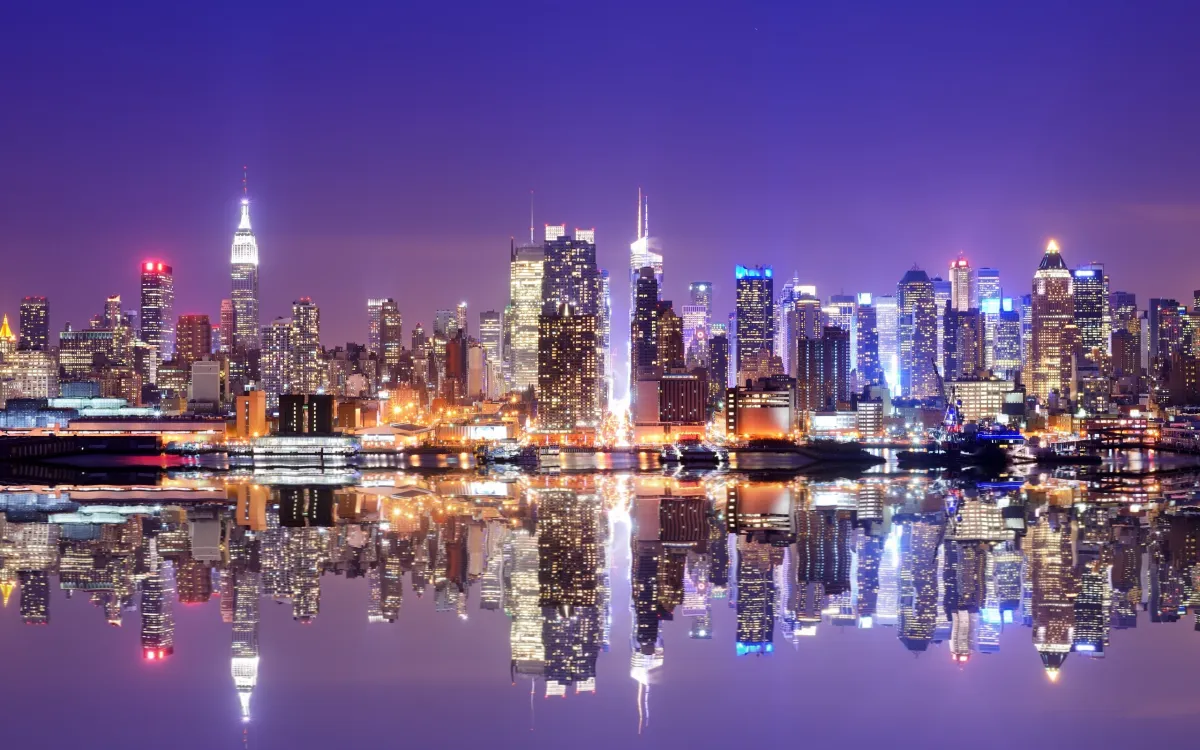 Photo: New York City, via wallup.net
Cities like Chicago, St. Louis, and Washington D.C. essentially shut down during heat waves. Businesses closed early, schools dismissed students, and anyone who could afford it fled to cooler climates. The idea of working in an office building during a July heat wave seemed as impossible as working underwater.
This wasn't just about comfort—it was about basic human physiology. Without climate control, the human body's ability to regulate temperature became a matter of life and death. Elderly people, infants, and anyone with health conditions faced genuine survival challenges that modern Americans can barely imagine.
The Great Migration to Fire Escapes and Rooftops
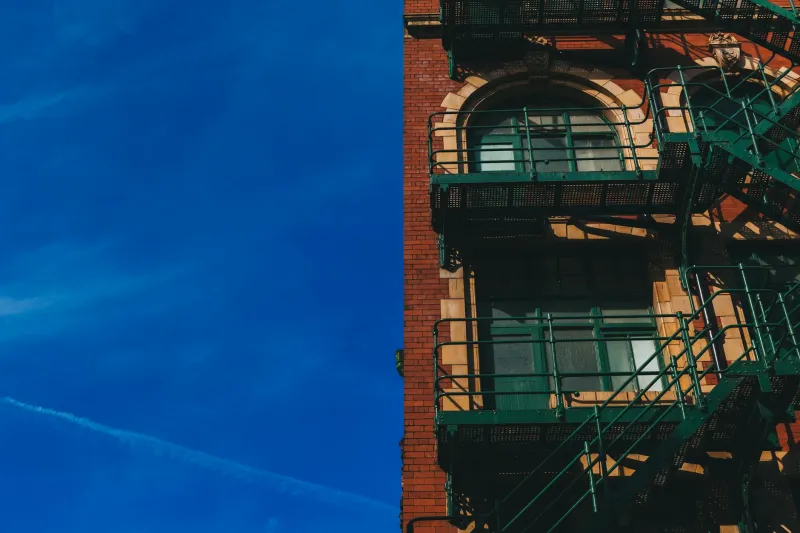
Urban Americans developed elaborate summer survival strategies that turned cities into outdoor camping grounds. When indoor temperatures became unbearable, entire families moved outside. Fire escapes became temporary bedrooms, with mattresses and blankets dragged out every evening.
In New York City tenements, rooftops transformed into communal sleeping areas. Families would climb multiple flights of stairs carrying bedding, hoping to catch any breeze available at higher elevations. Parks filled with people sleeping under the stars, not for recreation but for survival.
The wealthy fled to summer homes in cooler climates, but working-class families had to be more creative. They'd sleep in basements during the day and emerge only after sunset. Some families even slept in their bathtubs, running cold water over themselves throughout the night.
The Ice Industry Revolution
Before refrigeration, ice was the closest thing Americans had to air conditioning. The ice industry became massive, with companies harvesting ice from frozen lakes in winter and storing it in sawdust-insulated warehouses for summer delivery.
Ice wagons became as essential as food delivery, bringing 25-pound blocks to homes daily during heat waves. Families would place ice in front of fans to create primitive air conditioning, or simply sit next to melting ice blocks for relief. Children followed ice wagons like modern kids follow ice cream trucks, collecting chips of ice that fell from the wagons.
Wealthy families built "ice houses" in their basements—insulated rooms where they stored hundreds of pounds of ice. The poor made do with smaller amounts, often sharing ice purchases with neighbors. The phrase "ice cold" carried real meaning when ice was the only way to achieve temperatures below ambient air.
Architectural Survival Strategies
American architecture evolved specifically around surviving summer heat. Homes were built with high ceilings to allow hot air to rise away from living spaces. Windows were strategically placed to create cross-breezes, and many homes featured "sleeping porches"—screened outdoor areas where families slept during hot weather.
Southern homes developed elaborate cooling strategies: wraparound porches provided shade, while cupolas and widow's walks created natural ventilation systems. The famous "shotgun house" design—where you could fire a shotgun through the front door and it would exit the back without hitting anything—was specifically engineered to maximize airflow.
Urban buildings featured courtyards and light wells designed to channel cooler air through living spaces. Some apartment buildings had communal roof gardens where residents could escape the heat trapped in lower floors.
Work and Social Life in the Heat
Summer heat completely restructured American work schedules. Many businesses adopted "summer hours," starting before dawn and closing by early afternoon. Construction workers began at 4 AM to avoid midday heat. Office workers often worked in shifts, with some employees coming in very early and others working late into the evening.
Social customs adapted to the heat as well. Formal visiting hours moved to early morning or late evening. Churches held outdoor services under trees. Restaurants served only cold foods during heat waves. The concept of "summer weight" clothing wasn't just fashion—it was survival gear.
Dating and courtship patterns changed seasonally. Young couples courted on front porches in the evening, when houses became unbearably hot. The tradition of "porch sitting" wasn't quaint nostalgia—it was the only comfortable place to socialize during summer months.
The Dangerous Remedies
Desperation led to dangerous cooling strategies that seem insane today. Some people took multiple cold baths daily, risking hypothermia. Others consumed dangerous amounts of ice water, causing stomach cramps and worse. Patent medicine companies sold "cooling tonics" that often contained alcohol or other harmful substances.
Children were sometimes submerged in cold water for extended periods, leading to serious health problems. Adults would pack themselves in wet sheets and lie motionless for hours. Some people even tried primitive evaporative cooling by hanging wet towels around their bodies.
When Air Conditioning Changed Everything
The introduction of affordable home air conditioning in the 1950s didn't just provide comfort—it enabled the modern American lifestyle. Suddenly, cities like Phoenix, Las Vegas, and Houston became livable year-round. The Sun Belt population explosion happened because air conditioning made previously uninhabitable areas comfortable.
Work productivity during summer months increased dramatically. The phrase "mad dogs and Englishmen go out in the midday sun" stopped making sense when Americans could work comfortably regardless of outdoor temperature. Summer became just another season instead of a survival challenge.
The Modern Disconnect
Today's Americans use more energy cooling their homes than previous generations used for all their electricity combined. We've become so accustomed to climate control that outdoor temperatures above 80 degrees feel oppressive. Many modern Americans have never experienced a night without air conditioning.
The survival strategies that kept previous generations alive through brutal summers—community cooperation, architectural wisdom, and seasonal lifestyle adjustments—have largely disappeared. We've gained incredible comfort but lost the resilience and ingenuity that came from having to actually survive the weather.
The next time your air conditioner breaks during a heat wave, remember: you're experiencing just a tiny taste of what every American summer used to be like. The difference is, your great-grandparents had no choice but to figure out how to survive it.