Death as a Family Affair
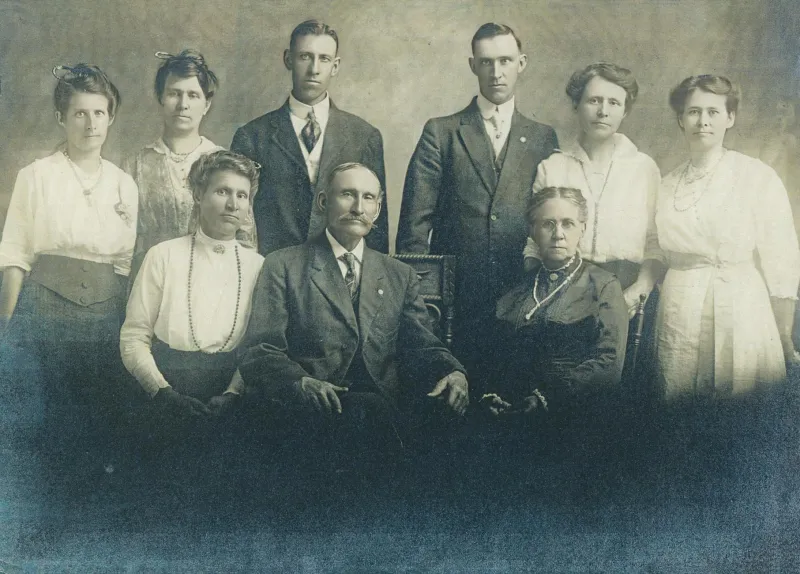
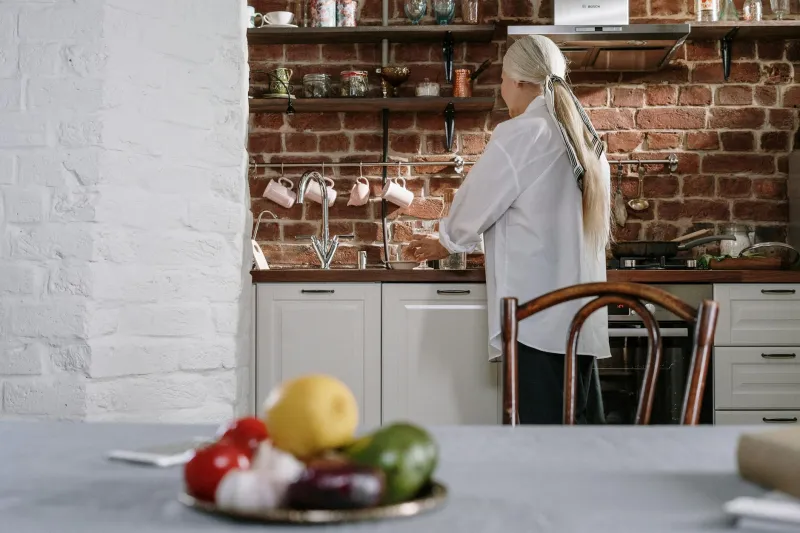
When your great-great-grandmother died, your family didn't call a funeral director. They called the neighbors to help carry her body to the kitchen table, where the women would spend the next several hours washing, dressing, and preparing her for burial. The men, meanwhile, would be out in the barn, hammering together a coffin from whatever lumber they had on hand. By the next evening, she'd be buried in the family plot behind the house, and life would continue.
This wasn't poverty or lack of options—it was simply how Americans handled death for most of the nation's history. The elaborate, professional funeral industry we know today didn't exist before the Civil War, and even then, it took decades to become the standard. For generations, death care was as much a family responsibility as cooking dinner or mending clothes.
The 24-Hour Race Against Time
Without refrigeration or embalming, American families faced an urgent timeline that would seem impossible today. Death typically meant burial within 24 to 48 hours, creating a frantic period of preparation that involved the entire community. This wasn't just about respect for the deceased—it was about public health and practical necessity in an era when bodies decomposed quickly.
The moment someone died, the family sprang into action with the efficiency of a modern emergency response team. Women immediately began preparing the body while men started construction on a coffin. Children were dispatched to notify neighbors and relatives, often riding for miles to spread the news. The local minister or religious leader was summoned, and arrangements were made for a quick burial service.
This rapid response system meant that many family members learned of a death and attended the funeral on the same day. There was no time for elaborate planning, professional services, or extended grieving periods. Death demanded immediate, practical action from everyone involved.
The Intimate Reality of Home Death Care
Preparing a body for burial was considered women's work, passed down from mothers to daughters like any other domestic skill. These women knew exactly how to close eyes, position limbs, and dress the deceased in their best clothes. They stuffed body cavities with herbs or rags to prevent leakage, tied the jaw shut with strips of cloth, and arranged the body in a dignified position for viewing.
This hands-on approach meant that American families had an intimate, physical relationship with death that would shock most people today. Children grew up helping with these preparations, learning death care as naturally as they learned cooking or farming. The process wasn't hidden or sanitized—it was simply another part of life that families handled together.
The body typically remained in the family home until burial, usually laid out in the front parlor or main room where neighbors could come pay their respects. This wake period was both a social obligation and a practical necessity, allowing time for distant relatives to arrive and for the community to gather for the burial service.
Backyard Carpentry and Coffin Construction
Coffin-making was a standard skill for most American men, like knowing how to repair a wagon wheel or build a chicken coop. Families kept basic woodworking tools and usually had access to suitable lumber from their own property or local sawmills. A simple pine coffin could be constructed in a few hours by anyone with basic carpentry skills.
These homemade coffins were purely functional—plain wooden boxes with rope handles, designed to protect the body during burial rather than impress mourners. Some families kept coffin measurements and basic plans, passing the knowledge down through generations. In communities with skilled carpenters, neighbors might specialize in coffin construction, trading their services for other goods or labor.
The contrast with today's elaborate caskets, which can cost thousands of dollars and feature silk linings, metal hardware, and waterproof seals, couldn't be more dramatic. American families once viewed coffins as temporary containers rather than permanent monuments, built for utility rather than display.
The Family Cemetery in the Backyard
Most rural American families maintained their own burial grounds, typically located on a hill or other prominent spot on their property. These family cemeteries were practical solutions to the problem of transporting bodies long distances to church graveyards, especially during harsh weather or when death occurred during busy farming seasons.
Digging the grave was community work, with neighbors and relatives taking turns with shovels. The burial service was usually brief and simple, conducted by a local minister or sometimes by the family patriarch. After the service, the same community members who had dug the grave would fill it in, often sharing a meal afterward at the family home.
These family burial plots became permanent parts of American homesteads, with some containing dozens of relatives spanning multiple generations. Many of these small cemeteries still exist today, hidden in woods or corners of farmland, marking where American families once lived, died, and buried their own.
The Civil War's Embalming Revolution
The transformation of American death care began during the Civil War, when families desperately wanted to bring their sons' bodies home from distant battlefields. Embalming, previously rare in America, became a booming business as entrepreneurs offered to preserve soldiers' bodies for transport. This created the first generation of professional embalmers and funeral directors.
After the war, these professionals began marketing their services to civilian families, promoting embalming as more hygienic and dignified than traditional home death care. They established funeral parlors in towns and cities, offering services that gradually shifted death care from family homes to commercial businesses.
This transition wasn't immediate or universal. Rural families continued handling their own death care well into the 20th century, especially in areas without easy access to professional services. But urban Americans increasingly turned to funeral directors, beginning the transformation that would eventually make home death care seem primitive and inappropriate.
From Intimate to Industrial
Today's funeral industry, worth billions of dollars annually, represents a complete reversal of traditional American death practices. Where families once handled every aspect of death care themselves, modern Americans typically have no physical contact with deceased relatives beyond viewing them in professionally prepared caskets.
The average American funeral now costs more than many families once spent on their homes, featuring elaborate services, expensive caskets, and professional facilities that would have seemed impossibly luxurious to previous generations. What was once the most intimate family responsibility has become one of the most outsourced experiences in American life.
The evolution from kitchen table to funeral home reflects broader changes in American society—urbanization, professionalization, and the gradual outsourcing of traditional family responsibilities to commercial services. We've gained convenience and reduced the burden on grieving families, but lost the intimate, hands-on relationship with death that connected Americans to the full cycle of life.
The next time you attend a modern funeral, remember that just 150 years ago, American families handled death with the same personal involvement they brought to births, weddings, and other major life events. The sanitized, professional death care we now consider normal would have seemed as foreign to our ancestors as their do-it-yourself approach seems to us today.