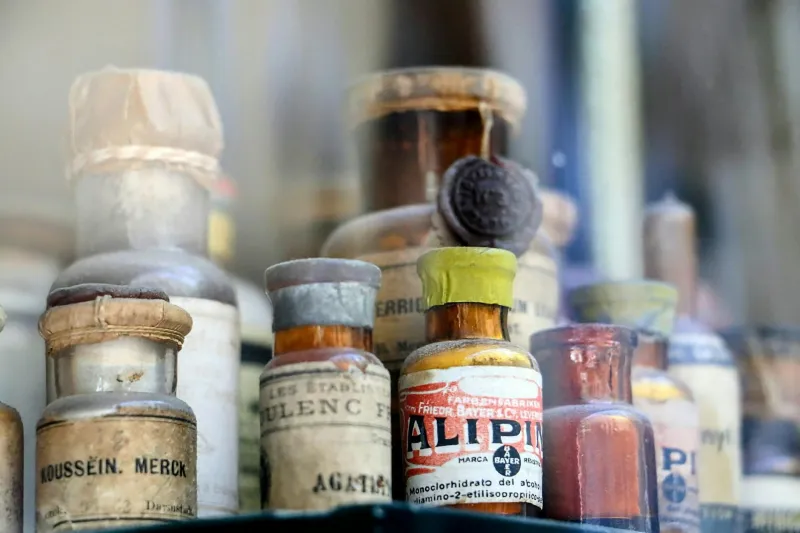
Imagine waking up with a splitting headache and having absolutely nothing in your house that could help. No aspirin bottle in the medicine cabinet, no ibuprofen in your purse, no quick trip to the pharmacy for relief. For most of American history, this wasn't a nightmare scenario—it was Tuesday morning.
Until the late 1800s, the average American family faced pain the way they faced bad weather: as an inevitable part of life that you simply had to endure. The idea that everyday aches and pains could be quickly, safely, and affordably eliminated would have seemed as fantastical as flying cars.
The Age of Suffering in Silence
Before aspirin hit American shelves in 1897, pain management was a combination of folk wisdom, dangerous experimentation, and sheer grit. A headache meant lying in a dark room until it passed—sometimes for days. Menstrual cramps sent women to bed with hot water bottles and prayers. Arthritis was just something that happened to your joints as you aged, like gray hair or wrinkles.
Families passed down pain remedies through generations, most of which ranged from useless to actively harmful. Willow bark tea (which actually contained natural salicin, aspirin's predecessor) was one of the few treatments that worked, but most people didn't have access to it. Instead, they relied on concoctions that sound more like witchcraft than medicine.
Home Remedies That Would Horrify Modern Parents
American households developed elaborate rituals around pain management that seem almost medieval today. For teething babies, parents rubbed whiskey on their gums or hung bags of herbs around their necks. Headache sufferers tied tight cloths around their heads, sometimes so tightly they cut off circulation. Others believed drilling holes in the skull would release "bad humors"—a practice that occasionally happened in frontier communities.
Toothaches were particularly brutal. With no dentists for hundreds of miles and no effective painkillers, people extracted their own teeth with pliers, often leading to infections that were worse than the original problem. Some tried to kill the nerve by holding hot coals near their jaw. Others chewed tobacco constantly, believing nicotine would numb the pain.
Women dealing with childbirth pain had perhaps the rawest deal of all. The phrase "bite the bullet" literally came from Civil War surgeries, but women in labor were often told to bite down on leather straps or wooden sticks during delivery. Pain during childbirth was considered not just inevitable but morally necessary—many believed that women were supposed to suffer as punishment for Eve's original sin.
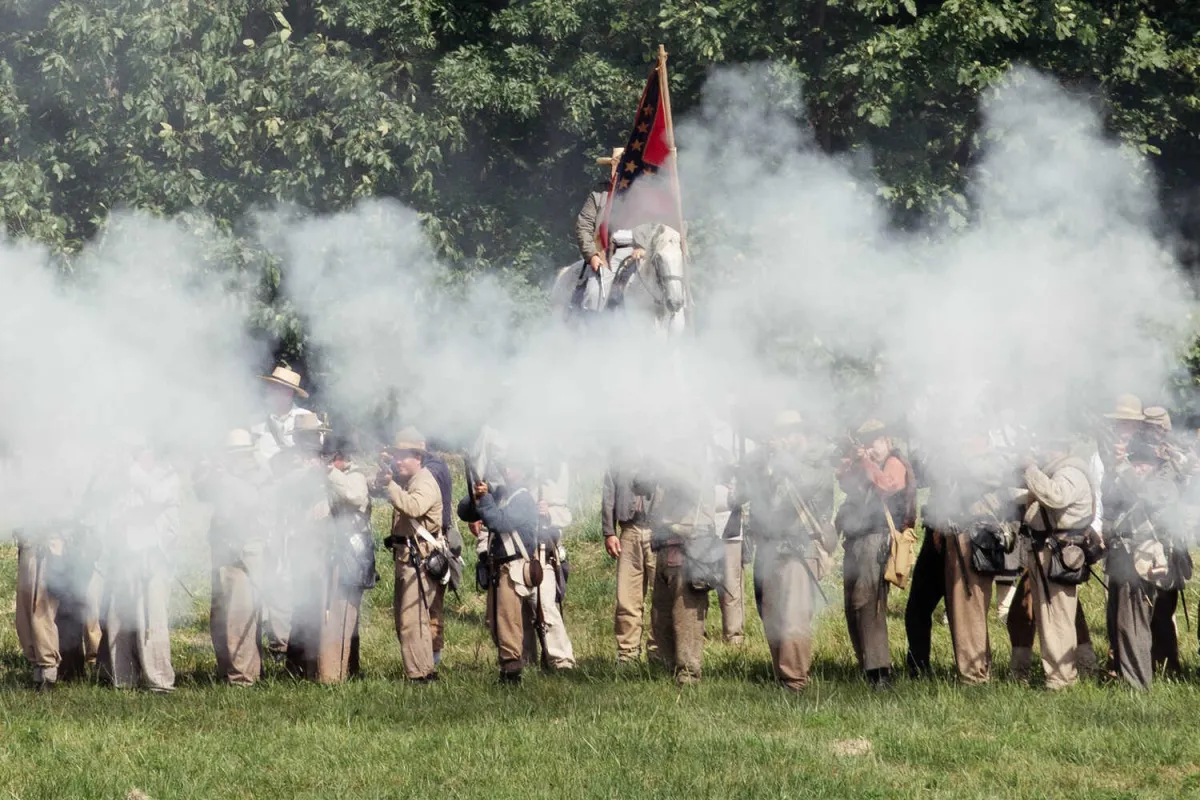 Photo: Civil War, via static01.nyt.com
The Whiskey Prescription Era
When home remedies failed, alcohol became America's unofficial painkiller. Doctors routinely prescribed whiskey for everything from headaches to heart problems. Pharmacies sold "medicinal spirits," and even the most religious families kept a bottle for "medical emergencies."
This wasn't entirely wrong—alcohol does have genuine pain-relieving properties. But it also led to widespread alcoholism disguised as medical treatment. Entire generations of Americans developed drinking problems while trying to manage chronic pain conditions that today we'd treat with a couple of Tylenol.
The opioid crisis feels like a modern problem, but Americans have been accidentally medicating pain with addictive substances for centuries. Before we understood addiction, families watched relatives spiral into alcohol dependency while trying to manage arthritis or back injuries.
Patent Medicine Madness
By the mid-1800s, traveling salesmen began hawking "patent medicines" that promised miraculous pain relief. These bottles contained everything from cocaine to mercury to industrial alcohol. Dr. Hostetter's Stomach Bitters was 44% alcohol. Mrs. Winslow's Soothing Syrup, marketed to calm fussy babies, contained morphine.
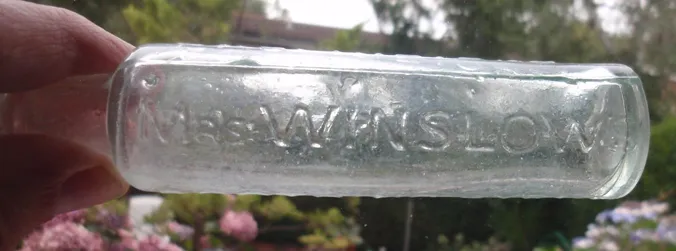 Photo: Mrs. Winslow's Soothing Syrup, via livesandlegaciesblog.org
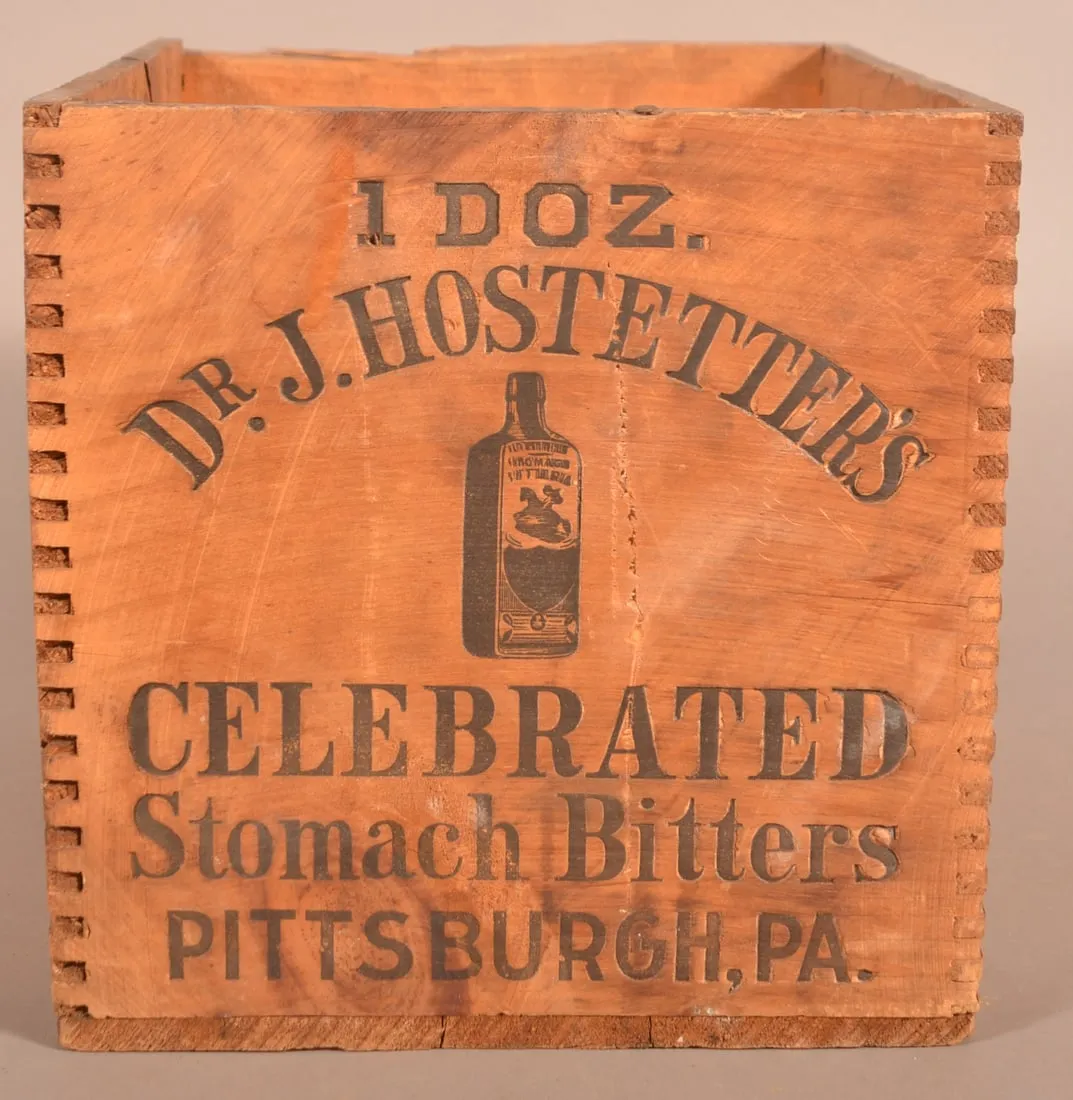 Photo: Dr. Hostetter's Stomach Bitters, via p1.liveauctioneers.com
Americans desperate for pain relief bought these concoctions by the millions, not knowing they were often trading temporary relief for long-term poisoning. The lack of FDA regulation meant that anything could be sold as medicine, and families had no way to know whether they were buying genuine relief or dangerous snake oil.
When Aspirin Changed Everything
The arrival of aspirin in American pharmacies marked the beginning of the modern pain relief era. Suddenly, a headache that might have lasted three days could be eliminated in thirty minutes. The psychological impact was as dramatic as the physical relief—pain was no longer an inevitable part of the human experience.
By the 1950s, American medicine cabinets were stocked with multiple pain relief options. Aspirin for headaches, different formulations for children, specialized treatments for specific conditions. The idea that previous generations had simply endured what we now consider minor discomfort seemed almost incomprehensible.
The New Reality of Pain
Today's Americans consume over 30 billion doses of over-the-counter pain medication annually. We take pills for headaches that our great-grandparents would have considered too minor to mention. We expect immediate relief from discomfort that previous generations accepted as normal parts of daily life.
This transformation reshaped not just how we treat pain, but how we think about it. Modern Americans often view any physical discomfort as a problem to be immediately solved, rather than something to be endured. We've gained incredible quality of life, but lost some of the resilience that came from knowing pain was just part of being human.
The next time you pop an ibuprofen for a headache, remember: you're participating in a medical miracle that would have seemed impossible to most Americans throughout history. The ability to eliminate everyday pain isn't just convenient—it's a complete revolution in what it means to be human.