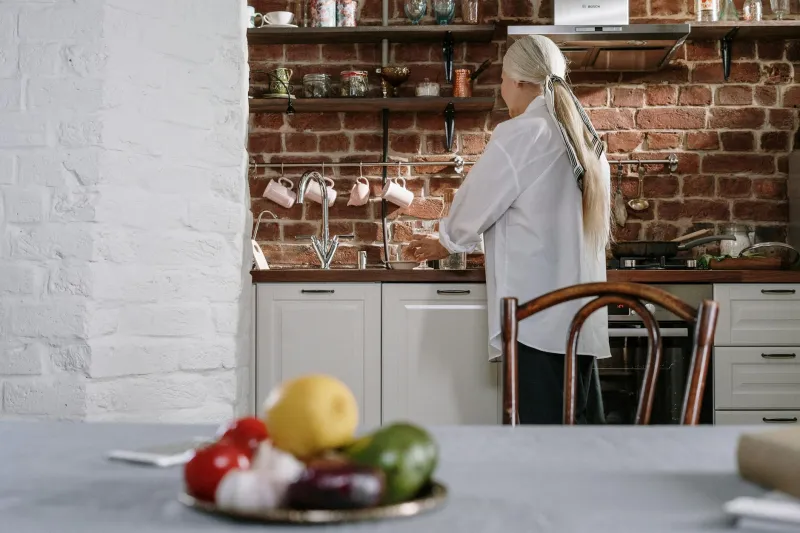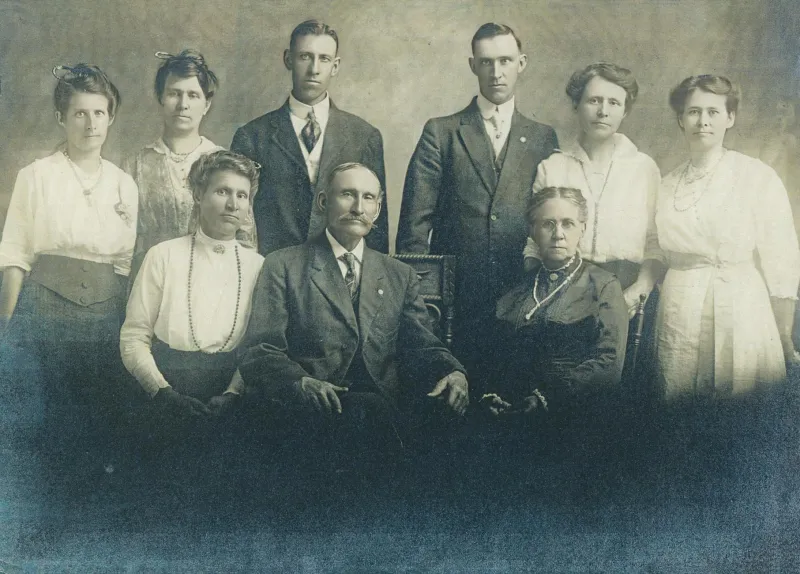
Open your phone right now and order Thai food. It'll arrive in 30 minutes. Craving ice cream at midnight? The convenience store down the street has dozens of flavors waiting. Want fresh strawberries in December? Your local supermarket has them flown in from Chile. We live in a world of instant food gratification that would have seemed like pure magic to Americans just a few generations ago.
The Tyranny of the Seasons
For most of American history, what you ate depended entirely on what could grow, when it could grow, and how long you could make it last. Families didn't plan meals — they planned survival strategies that stretched across entire seasons.
Spring was the "starving time," when winter stores ran dangerously low and new crops hadn't yet matured. Families survived on whatever they could forage: dandelion greens, wild onions, and tree bark soup. Many American families routinely lost weight every spring, simply because there wasn't enough food to go around.
Summer was frantic preparation time. Every berry had to be picked, every vegetable had to be preserved, and every moment of daylight was precious. Families worked 16-hour days during harvest season because winter survival literally depended on it.
The Root Cellar Economy
Every American home needed a root cellar — an underground storage space that stayed cool enough to prevent spoilage but warm enough to prevent freezing. These weren't quaint country accessories; they were life-or-death infrastructure.
Families stored hundreds of pounds of potatoes, turnips, and carrots in sand or sawdust. Apples were wrapped individually in paper and arranged in careful layers. Cabbage heads were buried in straw. Everything had to be checked regularly for rot, because one bad potato could destroy the entire winter's supply.
The root cellar was the original meal planning system. Families calculated exactly how much food they needed to survive until spring, then added a safety margin for bad weather or crop failures. Running out of food in February meant potential starvation, so conservative estimates were literally matters of life and death.
The Preservation Panic
Before refrigeration, preserving food was a race against time and bacteria. Every method was labor-intensive, time-sensitive, and fraught with risk.
Meat had to be salted, smoked, or dried immediately after slaughter. Families often slaughtered animals in late fall when cold weather would help preserve the meat naturally. They had to process hundreds of pounds of meat in a matter of days, working around the clock to prevent spoilage.
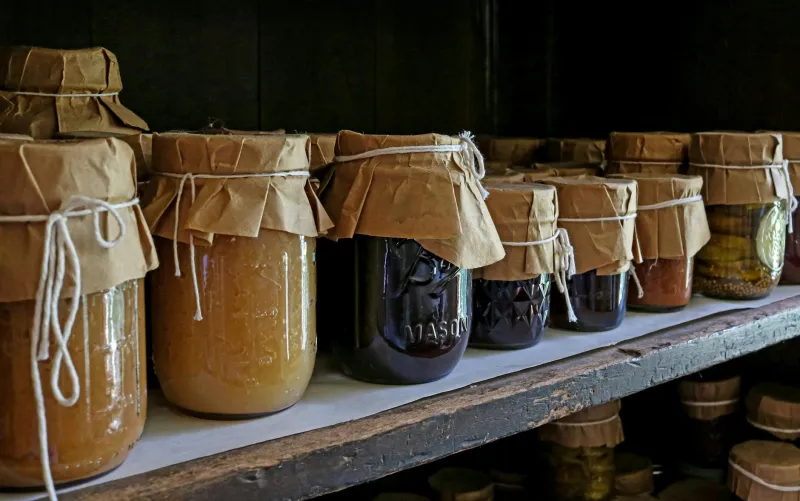
Vegetables required different strategies. Corn was dried on the cob, then stored in barrels. Green beans were strung up and dried. Cucumbers became pickles, cabbage became sauerkraut, and every fruit became jam or preserves. Women spent entire summers standing over boiling pots, racing to preserve the harvest before it rotted.
The Winter Menu
By December, American families were eating from a severely limited menu that wouldn't change until spring. Breakfast might be salt pork and corn mush. Lunch was leftover mush with dried beans. Dinner was more salt pork with preserved vegetables and maybe some dried fruit.
Fresh food was so rare in winter that oranges became precious Christmas gifts. A single fresh apple in February was a luxury beyond most families' reach. Milk came from whatever cows could survive on dried hay, and eggs were scarce because chickens stopped laying in cold weather.
Scurvy from vitamin C deficiency was common. Families who ran out of preserved fruits and vegetables would develop bleeding gums, loose teeth, and fatigue by late winter. Spring greens weren't just welcome — they were medicinal.
The Grocery Revolution
The transformation began with railroads in the 1800s, which could transport fresh food across long distances. But the real revolution came with refrigerated rail cars, which made fresh meat and dairy available year-round in cities.
Canning technology, perfected during the Civil War, meant families could buy preserved food instead of making their own. Suddenly, you could open a can of peaches in January without having spent the previous summer standing over a hot stove.
Supermarkets in the 1950s completed the transformation. Families went from needing months of advance planning to being able to decide what to eat on their way home from work. The concept of "seasonal eating" became a choice rather than an unavoidable reality.
The Instant Gratification Generation
Today, Americans expect any food, any time, from anywhere in the world. We complain if the grocery store is out of our favorite yogurt flavor. We order dinner from apps and expect it delivered hot to our door. We throw away more food than our ancestors consumed.
The average American family wastes about 30% of the food they buy — roughly $1,500 worth per year. Our ancestors would have been horrified. They knew the true cost of food: months of backbreaking labor, constant worry about spoilage, and the very real possibility of hunger.
From Scarcity to Abundance
We've gone from a world where families spent half their waking hours thinking about food security to one where we barely think about food at all until we're hungry. The shift happened so quickly that we've lost all cultural memory of what it was like.
Our great-grandparents planned meals six months in advance because they had no choice. We plan meals six minutes in advance because we have infinite choice. It's one of the most dramatic transformations in human history, accomplished in less than a century.
The next time you complain about having "nothing to eat" while staring into a full refrigerator, remember: you're living in a food paradise that previous generations couldn't have imagined. Instant access to any food you want isn't normal — it's a modern miracle we've learned to take completely for granted.