When Voting Required Physical Courage
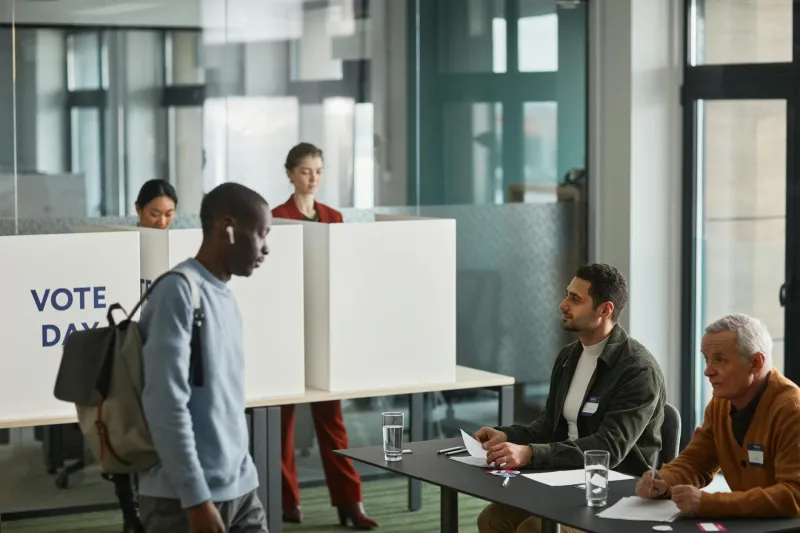
Walk into any American polling station today, mark your ballot in private, and walk out within minutes. Now imagine instead traveling for hours on horseback, fighting through hostile crowds, shouting your choices for everyone to hear, and hoping you survive the experience without getting beaten up or bribed. That was democracy in action for most of American history.
For nearly a century after the nation's founding, casting a vote in America was less like civic participation and more like running a gauntlet. The quiet, orderly process we take for granted today would have seemed impossibly civilized to voters in the 1800s, who faced everything from physical violence to elaborate corruption schemes just to exercise their democratic rights.
The Journey Just to Reach the Ballot Box
In rural America, which included most of the country through the 1800s, voting often began with an epic journey. Polling places were scattered and infrequent—sometimes one location per entire county. Farmers and laborers might travel 20 or 30 miles on horseback or by wagon, losing a full day's work and income just to participate in democracy.
These journeys weren't just inconvenient; they were genuinely dangerous. Voters traveled through wilderness areas, crossed rivers without bridges, and navigated roads that were little more than muddy tracks. Bad weather could make voting impossible, and many Americans simply couldn't afford to lose the time or risk the hazards involved in reaching distant polling sites.
Once they arrived, voters found chaos that would shock modern Americans. Polling places were typically outdoors or in makeshift locations like barns or taverns. There were no orderly lines, no privacy, and definitely no quiet contemplation of ballot choices. Instead, voters encountered something closer to a county fair mixed with a political rally—if county fairs included fistfights and open bribery.
The Theater of Public Voting
The most jarring difference between historical and modern voting was the complete absence of privacy. Secret ballots didn't exist in most American elections until the 1890s. Instead, voters approached election officials and loudly announced their choices for everyone to hear. This public declaration wasn't just custom—it was required by law in many states.
Imagine standing in front of your neighbors, coworkers, and local business owners, then shouting out your vote for president, governor, and local sheriff. Your political choices became immediate public knowledge, subject to approval, criticism, or retaliation from everyone within earshot. Employers could hear how their workers voted, creditors learned their debtors' political leanings, and family feuds erupted over public political disagreements.
This system made political intimidation remarkably easy. Powerful local figures—landowners, factory bosses, or community leaders—could openly pressure voters, knowing exactly how each person cast their ballot. Workers who voted against their employer's preferences might find themselves unemployed. Farmers who opposed local political machines could discover their credit applications denied or their businesses boycotted.
The Carnival of Corruption
Without secret ballots, vote buying became an art form. Political parties didn't just campaign for support—they literally purchased it. Party representatives stationed themselves near polling places with cash, alcohol, and promises of jobs or other favors. Voters could negotiate their support like any other commodity, and parties competed openly for votes with increasingly elaborate bribes.
The corruption extended to the ballots themselves. Instead of standardized, government-printed ballots, political parties produced their own. These party tickets were often printed on distinctively colored paper, making it impossible for voters to hide their choices even if they wanted to. A voter carrying a bright yellow Democratic ticket or a blue Republican ballot announced their intentions to everyone they passed.
Party operatives distributed these ballots outside polling places, sometimes offering additional incentives to voters who accepted their tickets. The system made vote buying so systematic that some areas developed actual price lists—votes for local offices might cost a dollar, while presidential votes commanded premium rates.
Election Day as Contact Sport
Voting locations regularly erupted into violence that would horrify modern Americans. Political parties organized gangs of supporters to intimidate opposition voters, sometimes turning election day into something resembling warfare. These conflicts weren't rare exceptions—they were routine enough that many Americans approached voting with genuine fear for their physical safety.
Newspaper accounts from the era describe election day scenes that sound like medieval battles: crowds of hundreds fighting with clubs, stones, and improvised weapons; voters requiring police escorts to reach ballot boxes; polling places destroyed by rioting mobs. In some areas, election violence became so predictable that businesses boarded up their windows and families stayed indoors until the chaos subsided.
The violence wasn't random—it was strategically designed to prevent opposition voters from participating. Well-organized political machines could effectively steal elections by making voting too dangerous for their opponents' supporters. This systematic intimidation was particularly devastating for African American voters in the post-Civil War South, but it affected all Americans in areas dominated by corrupt political organizations.
The Slow Revolution of the Secret Ballot
The transformation to modern voting began in the 1880s when Americans started adopting the "Australian ballot"—government-printed, standardized ballots marked in private. Massachusetts introduced the first secret ballot law in 1888, and other states gradually followed. By 1910, most American elections used secret ballots, though some areas resisted the change for decades.
This shift represented more than procedural reform—it fundamentally changed the nature of American democracy. Secret voting reduced corruption, decreased violence, and allowed citizens to vote their consciences rather than their fears. The privacy booth became a symbol of democratic freedom that previous generations couldn't have imagined.
From Ordeal to Civic Routine
Today's voting experience—standardized ballots, private booths, regulated polling places, and legal protections against intimidation—represents one of the most dramatic evolutions in American civic life. What once required physical courage, financial sacrifice, and social risk has become a routine civic duty that most Americans can complete during their lunch break.
The next time you complain about long lines or confusing ballot language, remember that American voters once faced genuine physical danger, systematic corruption, and public humiliation just to participate in democracy. The quiet privacy of the voting booth, which we barely notice, represents a hard-won victory that transformed American politics from a blood sport into something approaching actual democratic participation.
We've evolved from a system where voting required courage to one where it requires only citizenship—and that transformation might be the most important political revolution most Americans have never heard about.