Evelyn Martinez rose at 5 AM every day to start the fire in her wood-burning stove, a ritual that would repeat every few hours until bedtime. By the time her husband left for work and her three children headed to school, she had already hauled water from the well, prepared breakfast from scratch, and begun the day's first load of laundry—a process that would consume the next four hours and leave her hands raw from lye soap and scrubbing.
This was Tuesday. And Wednesday. And every other day of the week in 1925 America, where running a household meant performing backbreaking physical labor that consumed virtually every waking hour.
The Water Wars: When H2O Was Heavy Labor
Before indoor plumbing became standard, American housewives began each day with water procurement. A typical family needed 40-50 gallons daily for drinking, cooking, cleaning, and bathing. That meant multiple trips to wells, pumps, or nearby streams, carrying heavy buckets that weighed over 40 pounds when full.
In winter, ice had to be melted. In summer, water grew stagnant and required careful management. Every drop used for cooking, cleaning, or bathing had to be heated on wood or coal stoves, a process that required constant attention to maintain proper temperatures without wasting precious fuel.
"My grandmother would heat water in shifts all day long," recalls Patricia Wong, whose family immigrated to California's Central Valley in the 1920s. "Breakfast dishes, laundry water, bath water, dinner prep—it was like running a small industrial operation just to keep the family clean and fed."
The Monday Marathon: Laundry as Extreme Sport
Monday was universally laundry day across America, and it represented the week's most grueling physical challenge. The process began Sunday night with soaking heavily soiled items in lye soap solutions. By Monday dawn, women were filling large tubs with water heated over fires, scrubbing clothes against washboards until their knuckles bled, and wringing out heavy, waterlogged fabrics by hand.
A typical family's weekly laundry weighed over 50 pounds when wet. Each item required individual attention—scrubbing stains, working soap through fabric, rinsing multiple times in clean water. The entire process took 6-8 hours of continuous physical labor.
Bertha Johnson, writing in her 1932 diary from rural Kansas, described a typical Monday: "Started washing at 6 AM. Finished hanging the last sheets at 2 PM. My back aches something fierce, and my hands are cracked from the soap. Still need to start dinner preparations and mend the children's school clothes tonight."
The Daily Bread: When Meals Meant Manufacturing
Cooking in pre-convenience America required planning, physical strength, and constant vigilance. Women baked bread 2-3 times weekly, a process requiring hours of kneading, rising, and careful oven management. They preserved seasonal produce through canning, smoking, and drying—labor-intensive processes that determined whether families ate well through winter months.
Refrigeration was limited to iceboxes that required regular ice delivery and careful management to prevent spoilage. Meal planning revolved around what could be preserved, what was in season, and what could be prepared with available fuel. There were no convenience foods, no takeout options, no backup plans when dinner preparations went wrong.
Margaret O'Brien, whose Irish immigrant family settled in Boston's Southie neighborhood, kept detailed household accounts from the 1920s. Her records show spending 4-5 hours daily on meal preparation and cleanup—time that didn't include food preservation activities that consumed entire weekends during harvest seasons.
The Sewing Circle: When Clothing Was Homework
Ready-made clothing was expensive and often ill-fitting, so most American families relied on home sewing for everything from underwear to winter coats. Women spent evenings and weekends cutting patterns, hand-stitching seams, and mending torn garments. A single shirt required 8-10 hours of work; a dress took 15-20 hours.
Darning socks, patching pants, and repairing worn items was constant work. Families expected clothing to last for years, passing items down through siblings and altering them as children grew. The phrase "make do and mend" wasn't inspirational—it was economic necessity.
"My mother could look at a piece of fabric and see a winter coat, summer dress, and dish towels," remembers Rose Kowalski, whose Polish family settled in Chicago during the 1920s. "Nothing was wasted, and everything required hours of hand work. She sewed by lamplight after finishing the day's other chores."
The Heating and Cooling Challenge
Maintaining comfortable temperatures required constant attention and physical labor. Coal or wood stoves needed regular feeding, ash removal, and careful management to provide heat without creating fire hazards. In summer, homes relied on cross-ventilation, shade management, and strategic use of water for cooling.
Cleaning these heating systems was dangerous, dirty work. Chimneys required regular maintenance, stovepipes needed cleaning, and ash disposal was a daily chore. Women managed these systems while simultaneously cooking, heating water, and maintaining proper temperatures for various household tasks.
The Cleaning Crusade: When Housework Was Hand-to-Hand Combat
Without vacuum cleaners, floor care meant sweeping, mopping, and scrubbing by hand. Rugs were beaten outdoors, furniture was moved for thorough cleaning, and every surface required individual attention. Washing windows, scrubbing floors, and dusting furniture consumed entire days.
Spring cleaning wasn't optional—it was survival. Months of coal or wood heating left homes coated with soot and grime that required intensive scrubbing to remove. Women dismantled stoves, washed walls, and cleaned every textile in the house during these annual campaigns.
The Appliance Revolution: When Machines Changed Everything
The transformation began in the 1930s and accelerated after World War II. Electric washing machines, refrigerators, vacuum cleaners, and eventually dishwashers revolutionized domestic labor. What had taken hours could be accomplished in minutes. What required intense physical effort became as simple as pressing buttons.
By 1960, the average American housewife spent 35 hours per week on household tasks—a dramatic reduction from the 60+ hours required in the 1920s. Those saved hours enabled women to pursue education, careers, and activities that had been impossible when household management consumed every available moment.
The Time Dividend: What Happened to All Those Hours
The hours freed by household technology didn't disappear—they were redistributed. Women entered the workforce in unprecedented numbers, pursued higher education, and engaged in community activities. The civil rights movement, women's liberation, and countless social changes were enabled partly by technology that freed women from the endless cycle of domestic labor.
Yet something was also lost. The skills required to manage pre-modern households—food preservation, textile work, resource management—largely disappeared within a single generation. The intimate knowledge of seasonal rhythms, weather patterns, and resource cycles that guided household management became obsolete.
The Modern Paradox
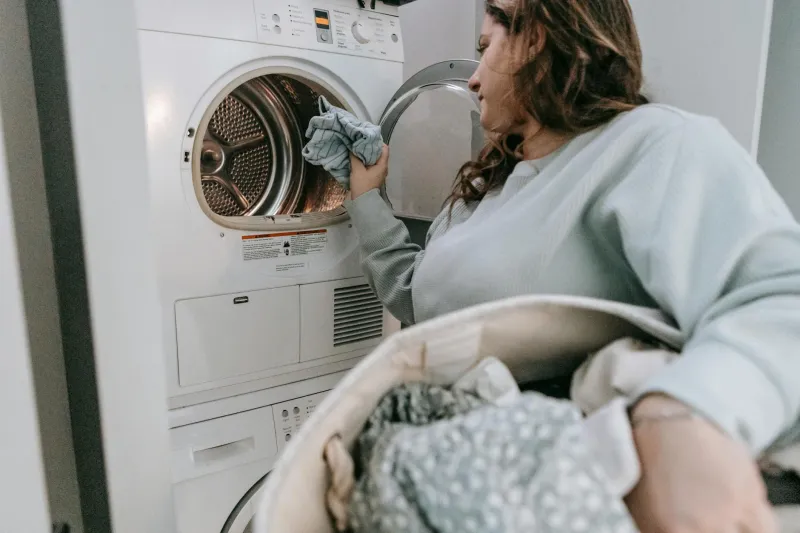
Today's American households operate with efficiency that would seem magical to 1920s housewives. Dishwashers clean dishes while we sleep, washing machines handle loads that once required a full day's labor, and refrigerators preserve food for weeks without attention.
Yet modern families often feel busier than ever. The time saved on household labor has been filled with work demands, children's activities, and social obligations that didn't exist when domestic management consumed all available hours. We've gained convenience but not necessarily leisure.
The backbreaking household labor that once defined women's daily existence has become nearly invisible, performed by machines rather than human hands. We've traded physical exhaustion for different kinds of stress, endless domestic labor for endless scheduling challenges. The revolution in household technology represents one of the most dramatic lifestyle changes in human history—a transformation so complete that most Americans can barely imagine the alternative.
Evelyn Martinez's great-granddaughter loads her dishwasher while checking email on her smartphone, finishing in five minutes what once took hours of scrubbing and drying. The physical demands that shaped women's lives for millennia vanished in the span of a few decades, freeing half the population to pursue dreams that household drudgery had made impossible.