Before Three Digits Saved Lives: The Chaotic Reality of American Emergencies Before 911
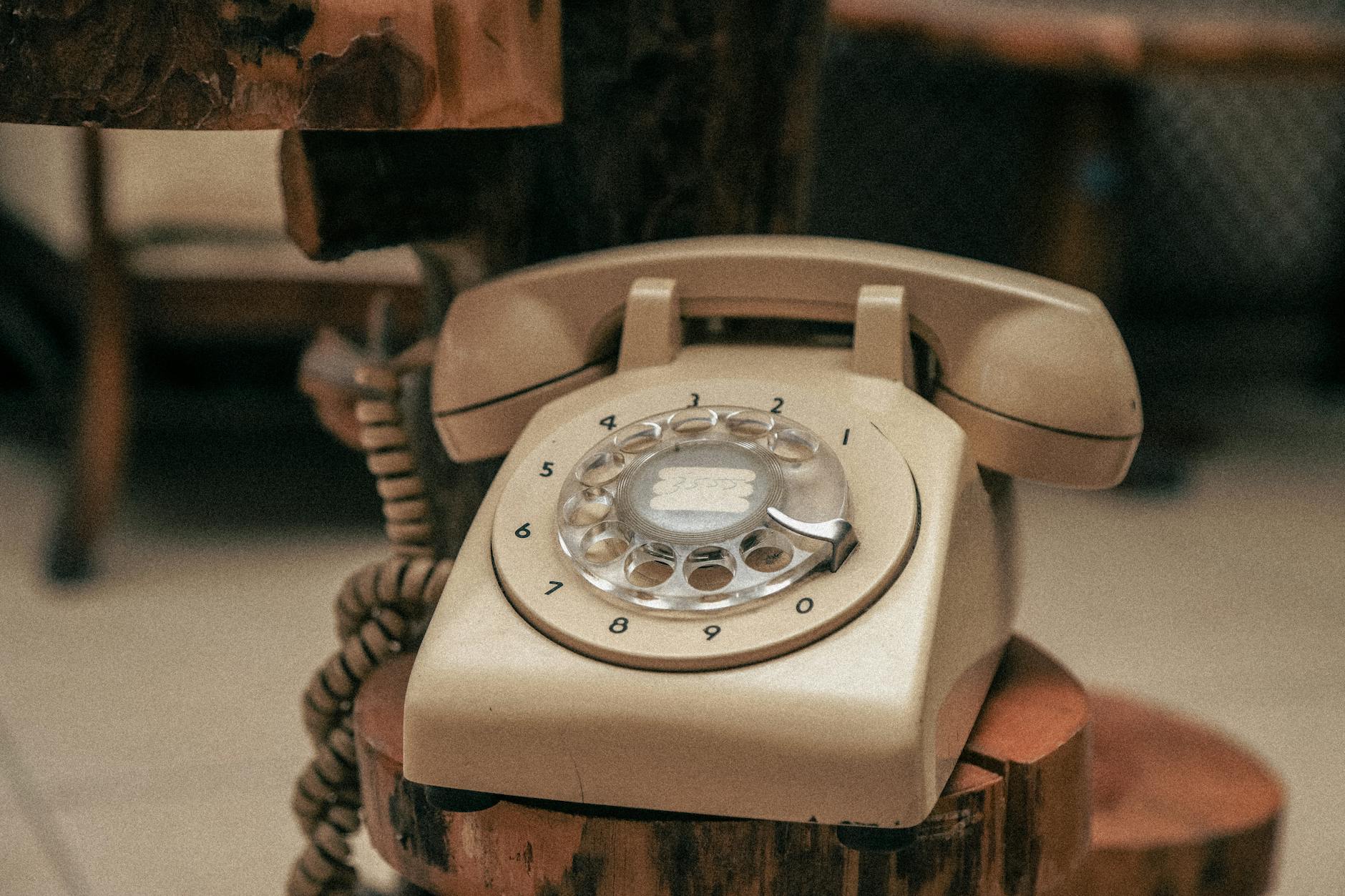
Before Three Digits Saved Lives: The Chaotic Reality of American Emergencies Before 911
Your house is on fire. Someone's having a heart attack. There's an intruder at the door. Today, your hand reaches for your phone before your brain has even fully registered the crisis. Three digits. A calm voice. Help on the way.
It feels like it's always been this way. It hasn't.
For most of American history, a genuine emergency meant a frantic search for the right phone number — if you even had a phone at all. And the consequences of that gap between crisis and response were often devastating.
What You Actually Did in an Emergency Before 1968
Before the 911 system was established, contacting emergency services in the United States was a genuinely complicated task. Every police precinct, fire station, and hospital had its own individual phone number. If you needed the police, you had to know — or frantically look up — the number for your specific local precinct. Different neighborhoods. Different numbers. No universal access point.
In many cities, people were expected to keep a handwritten list of emergency contacts near their telephone. The phone book was your first line of defense. In a true emergency, people were flipping through directory pages while someone bled on the kitchen floor.
Rural areas had it even worse. Many communities in the 1950s and early 1960s still operated on party lines — shared telephone connections where multiple households used the same line. Getting through to anyone in a hurry wasn't guaranteed. In some remote areas, the nearest telephone was a payphone blocks or miles away.
And even if you reached someone? The dispatcher on the other end had no idea where you were. You had to tell them — clearly, accurately, while panicking — and hope the address you gave was precise enough to actually get help to your door.
The Call That Changed Everything
The push for a unified emergency number had been building for years, driven largely by the realization that the fragmented system was costing lives. The President's Commission on Law Enforcement and Administration of Justice formally recommended a single emergency number in 1967. A year later, AT&T announced that 911 would be that number.
The first-ever 911 call in the United States was made on February 16, 1968, in Haleyville, Alabama — a small town that beat larger cities to the punch largely because of a local congressman's determination to make it happen. Alabama Speaker of the House Tom Bevill made the call. Nome, Alaska, followed shortly after.
But here's what most people don't realize: that first call was largely symbolic. Rolling out a functional, nationwide 911 system took decades. As late as 1987, only about 50 percent of the US population had access to 911 service. Full nationwide coverage wasn't effectively achieved until well into the 1990s. Millions of Americans were still navigating the old, fragmented system long after most people assume 911 had taken over.
The Evolution From Switchboard to Smartphone
Even once 911 was established, early versions of the system had significant limitations. Basic 911 connected you to a dispatcher, but the dispatcher still had no automatic way of knowing your location. Enhanced 911 — which automatically transmitted the caller's address — was a major upgrade that rolled out gradually through the 1980s and 1990s.
Then came the mobile phone era, and with it, an entirely new challenge. By the early 2000s, the majority of 911 calls were coming from cell phones — devices that didn't have a fixed address attached to them. The system had to evolve again, incorporating GPS data and cell tower triangulation to locate callers who couldn't identify their own position.
Today's 911 infrastructure would be almost unrecognizable to the dispatchers of 1970. Modern Public Safety Answering Points (PSAPs) use sophisticated computer-aided dispatch systems that automatically populate caller location, flag repeat callers, cross-reference databases, and coordinate multiple agencies simultaneously. In many jurisdictions, dispatchers can now receive texts, photos, and even video from callers. Some systems are beginning to integrate real-time data from smart home devices and wearables.
How Much Did It Actually Matter?
It's difficult to quantify exactly how many lives the 911 system has saved, but the research points in one clear direction: faster response times save lives, particularly in cardiac events and trauma cases. Studies consistently show that survival rates for out-of-hospital cardiac arrest drop by roughly 10 percent for every minute without defibrillation. The difference between a four-minute response and a ten-minute response isn't just statistics — it's the difference between recovery and death, or between death and severe brain damage.
The 911 system didn't just make emergencies more convenient to report. It fundamentally changed survival odds for millions of Americans every single year.
A Number We Don't Think About Enough
There's something quietly remarkable about 911. It's three of the most powerful digits in American life, and most of us use them — or rely on the fact that we could use them — without ever thinking about the infrastructure behind them, the decades it took to build, or the chaotic, frightening world that existed before they were available.
The next time you see those three digits on your phone, it's worth taking a second to appreciate just how much they represent. Not just a phone number. An entire revolution in how America takes care of its own.